7 DAYS HERITAGE ESCAPES AND WILD WONDERS OF KENYA
Get Free Quote >

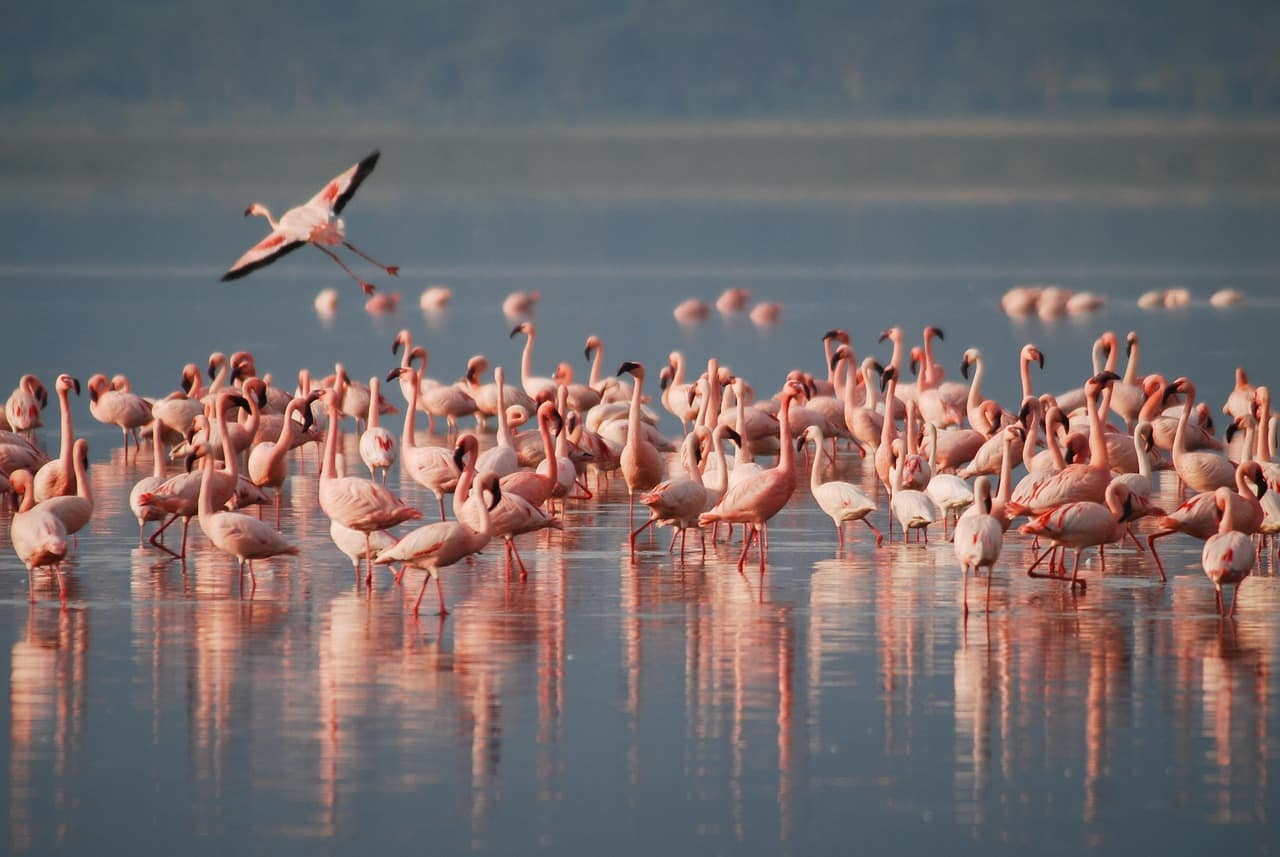
This 7-day Kenya safari blends wildlife, culture, and history. Starting with an optional Nairobi city tour, it journeys to Aberdare National Park for a unique stay at Treetops Lodge, famous for its royal connection and wildlife viewing from the lodge itself. Next, you’ll explore Lake Nakuru’s flamingos and rhinos before heading to the Maasai Mara for incredible big game viewing and a cultural visit to a Maasai village. The trip concludes at Lake Naivasha with a visit to Elsamere (of “Born Free” fame) and a boat trip to Crescent Island. This safari offers a diverse Kenyan experience, combining iconic wildlife, cultural immersion, and historical significance.

Photos

DAY 1: Pick up at the airport as per your flight details and transfer to the hotel for your accommodation based on bed and breakfast basis at Sarova Pan Afric Hotel. Depending on your arrival timing if time allows in the afternoon you can do a city tour of Nairobi town.

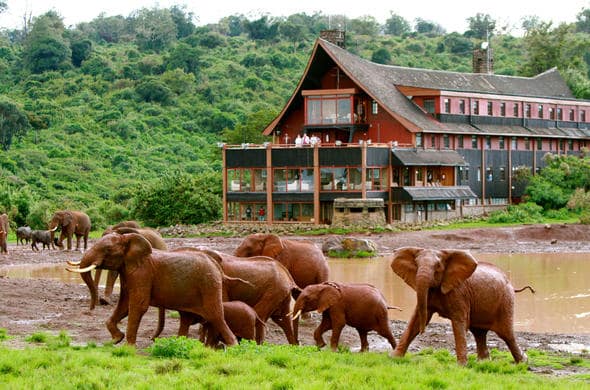
DAY 2: After breakfast you will depart Nairobi for Aberdares National park via the white highlands which are rich in coffee, tea and pineapple farms. We will arrive in time for lunch at the base hotel. Afternoon you will be transferred to the Treetops lodge for your accommodation. Located in the Aberdare National Park, the Treetops Lodge is a tree hotel which is famous as the place where Queen Elizabeth II visited as a princess and left as queen.

Originally built in 1932, Treetops Lodge lies in the path of an ancient Elephant migratory route between the Aberdare Ranges and Mt Kenya National park, and is strategically sited right in front of a natural watering hole and salt lick, making it the perfect place to view game.

Treetops is as much a part of nature as it has an ancient tree growing right through the hotel, with the lodge being built around it. It is the perfect fusion of nature and comfort sporting a rustic look that fits right into the Aberdares.

You view wildlife from the lodge terrace no game drives in this park. Dinner and overnight at the Treetops Lodge.

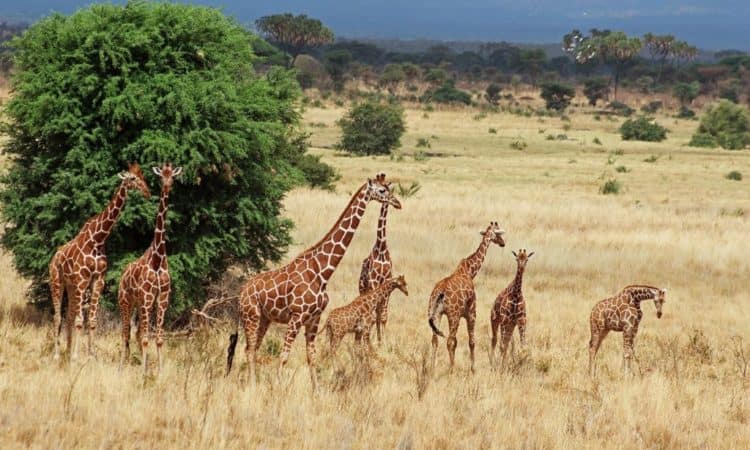
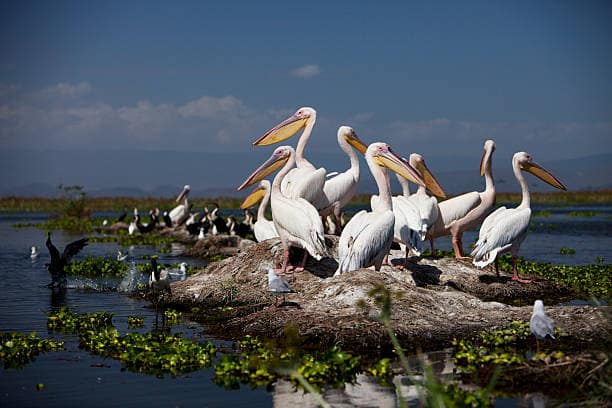
DAY 3: After breakfast you will be transferred to the base hotel where our guide will pick you up and depart for Nakuru. You will pass via the Thomson’s falls then proceed to arrive for lunch at the Lodge. Afternoon game drive of this Park which is home to White Rhino, Flamingoes, Defassa waterbuck, Rothschild giraffe and a lot of birdlife. Dinner and overnight at the Lake Nakuru Sopa Lodge.

DAY 4: Early morning game drive then breakfast. Depart Nakuru for Masai Mara to arrive in time for lunch at the Lodge. In the evening you will visit the Masai Village to learn the rich culture of this tribe as you enjoy their dances. You can buy Masai attires and other artefacts during this visit.  Dinner and overnight at the Mara Sopa Lodge.

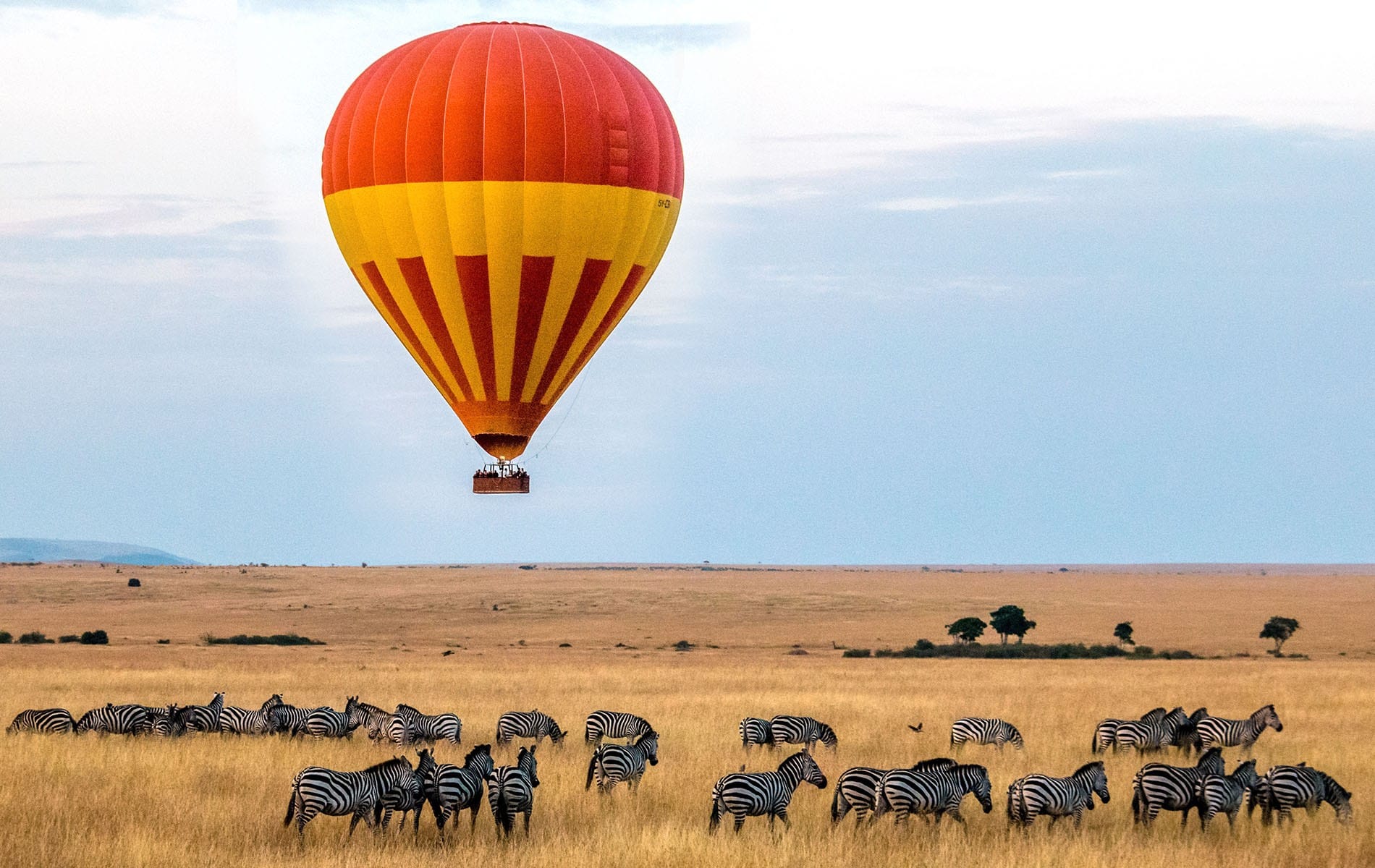
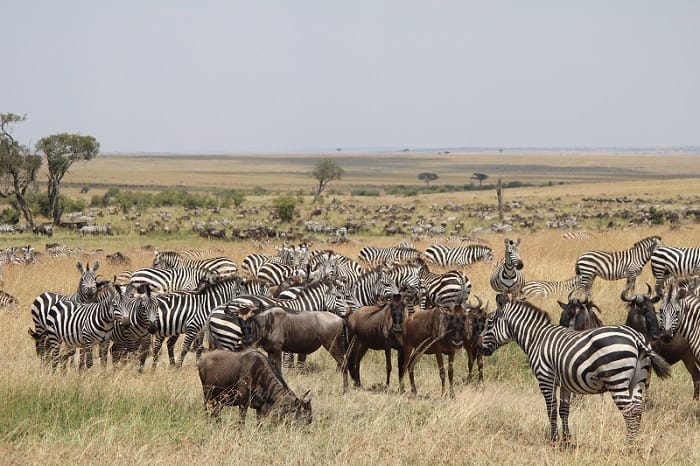
DAY 5: After breakfast you will depart for a full day game drive of this reserve. Masai Mara is situated in south-west Kenya and is one of Africa’s Greatest Wildlife Reserves.

Together with the Serengeti National Park in Tanzania it forms Africa’s most diverse, incredible and most spectacular eco-systems and possibly the world’s top safari big game viewing eco-system.

Maasai Mara National Reserve stretches 1,510 sq km (580 sq miles) and raises 1,500-2,170 meters above sea level. Add the conservancies and the area is at least twice the size. It hosts over 95 species of mammals and over 570 recorded species of birds.

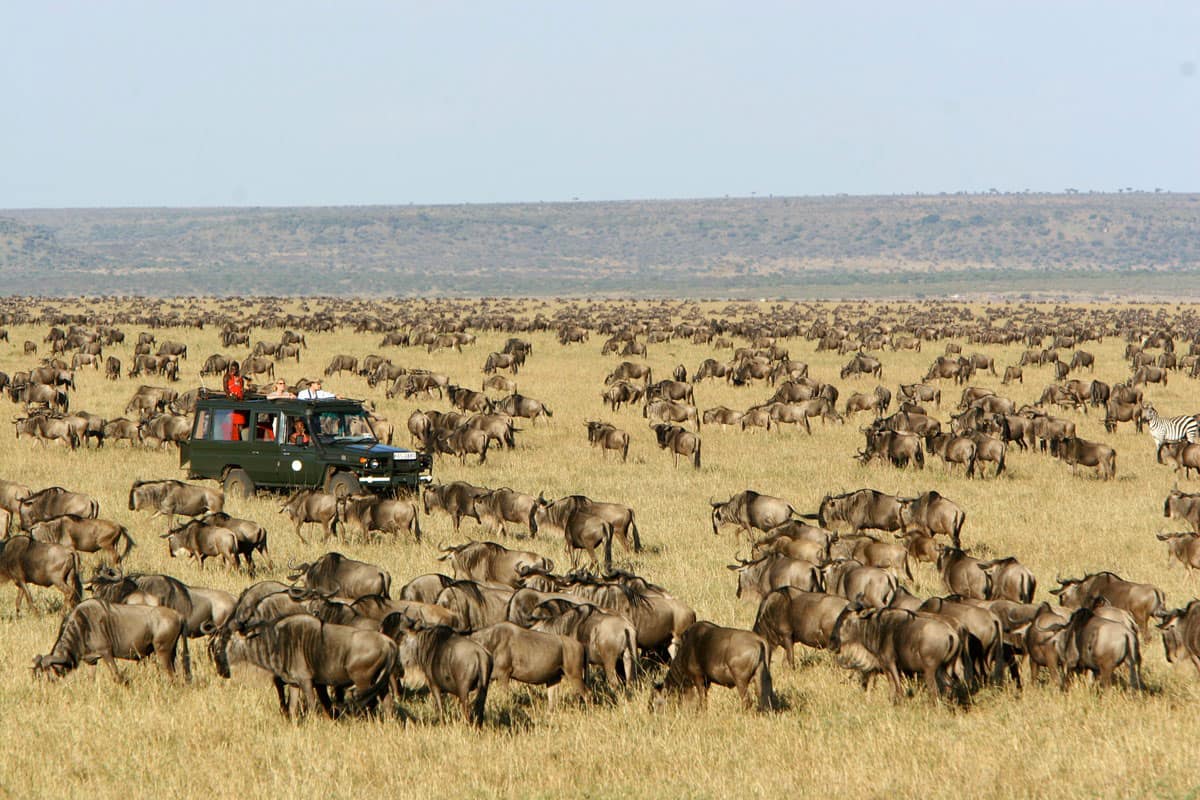
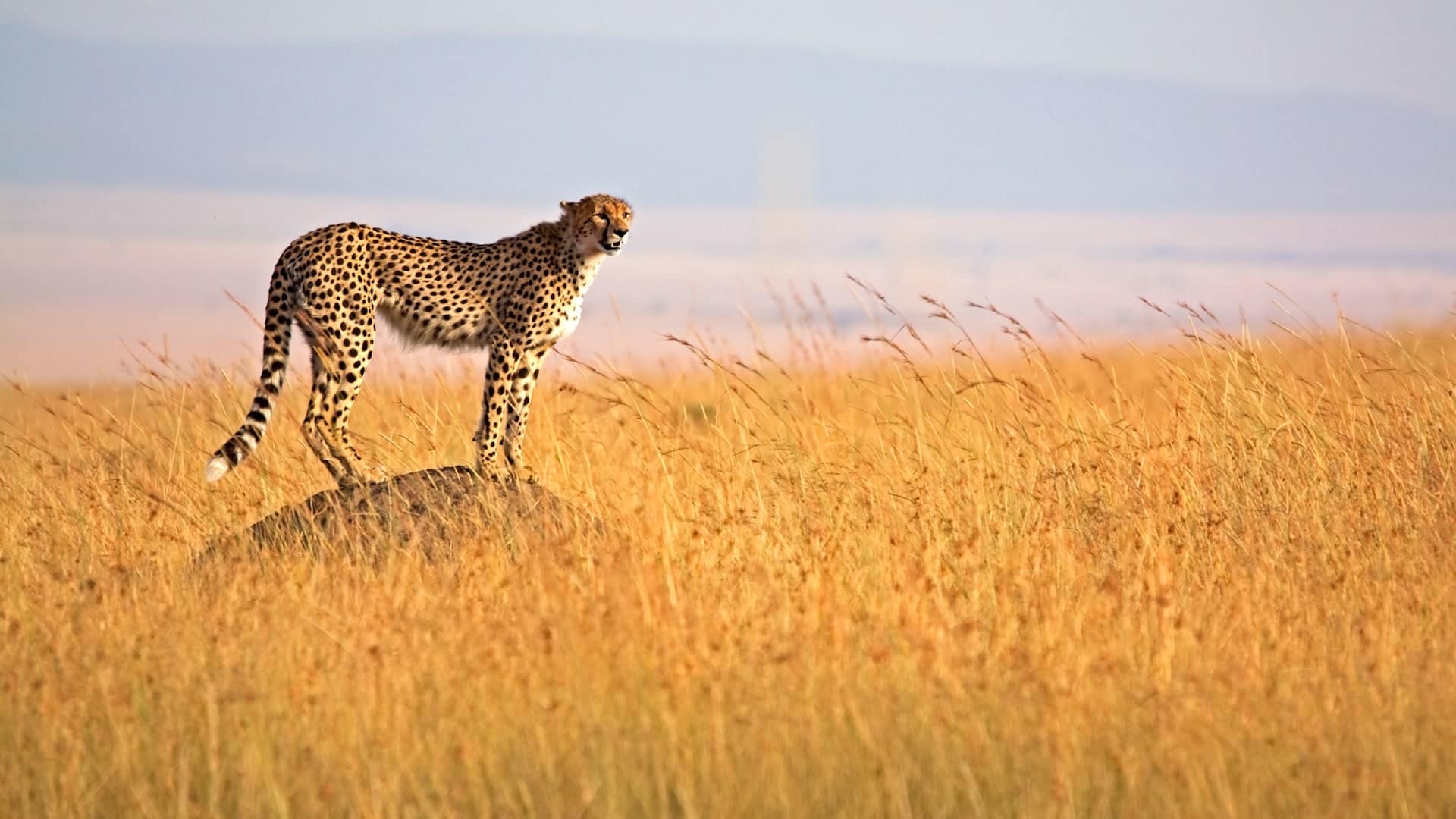
The reserve is famous for the great migration of wildebeest, the big Five’s Lion, Cheetah, leopard, buffalo, Rhino can be easily seen. Dinner and overnight at the Mara Sopa Lodge.

DAY 6: After early breakfast you will check out and depart mara for Naivasha On arrival you will visit Elsamere Conservation trust. Elsamere is the former home of George and Joy Adamson who came to fame in the 1970’s with the bestselling book “Born Free”.

George and Joy Adamson established the Elsa Wild Animal Appeal which became the Elsa Conservation Trust in the early 1960’s, a concept that was way ahead of its time. Today the trust still operates from Elsamere, the life-long commitment to wildlife still the driving force.

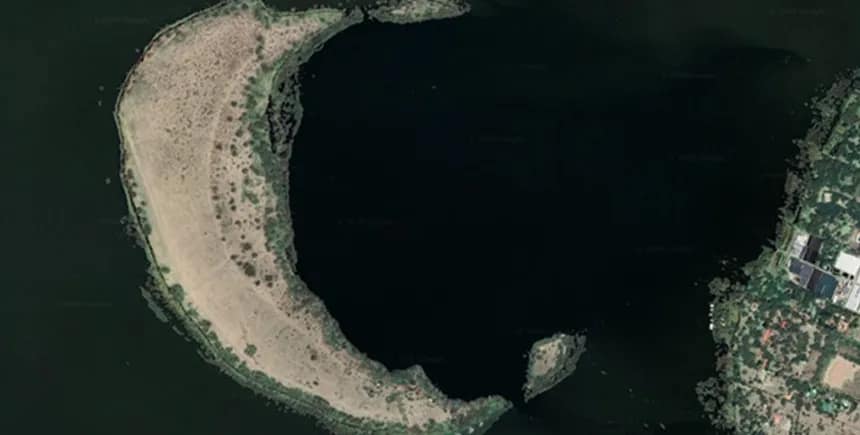
Another important aspect of Elsamere is the Field Study Centre which provides educational programs for teachers, pupils and community leaders. The Centre also hosts conferences and seminars for local and international delegates alike. Lunch will be served then later in the afternoon you will do as boat ride to Crescent Island. Dinner and overnight at the Lake Naivasha Country club.

DAY 7:  After breakfast depart Naivasha for Nairobi to arrive in the late afternoon. You will be transferred to the airport as per your international flight details.

Price Includes

Accommodation

Transport in 4*4 Safari van or 4*4 Jeep

Game drives

Driver guide

Meals

Park entrance fees

Government taxes.

Price Excludes

 Travel Insurance

 Tips

 Optional activities

 Items of personal use.

PEAK SEASON 1ST JUNE TO 30 OCT

$ 4,063 PER PERSON SHARING

HIGH SEASON JANUARY – MARCH, NOV- 20TH DEC

$ 3,115 PER PERSON SHARING

LOW SEASON APRIL – 3OTH MAY

$ 2,910 PER PERSON SHARING

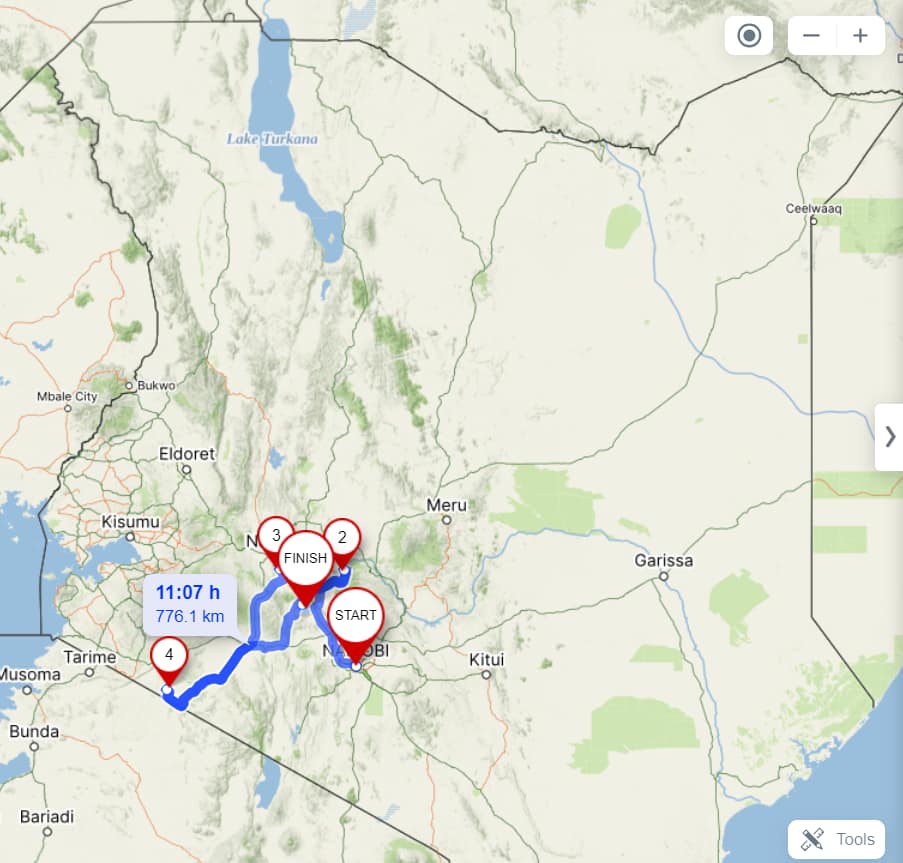
Route
arberdare to naivasha
aberdare map route

Safari Destinations

  • Nairobi: Arrival point and optional city tour.
  • Aberdare National Park (Treetops Lodge): Known for its unique treehouse lodge and wildlife viewing from the lodge.
  • Lake Nakuru National Park: Famous for flamingos, rhinos, and other wildlife.
  • Maasai Mara: One of Africa’s greatest wildlife reserves, known for big game viewing and Maasai culture.
  • Lake Naivasha (Elsamere & Crescent Island): Known for its birdlife, boat rides, and connection to “Born Free.”

Activities and transportations

Safari Booking

Request A Free Quote


Start planning your safari

Tell us your dates and dream, and a local specialist will craft your trip.

Danson Njuguna Safari specialist Start planning

Frequently asked questions

When is the best time to go on safari?

It depends on what you want to see. For the Great Migration river crossings in the Maasai Mara, visit between July and October, when the herds cross the Mara River in search of fresh grazing. For calving season and dense predator activity, January to March is excellent, particularly around the southern Serengeti. Kenya's two dry seasons (June to October and January to February) generally offer the clearest skies and easiest game viewing across Amboseli, Tsavo, and Samburu, since animals gather around limited water sources. The 'green season' (November and April to May) brings lush scenery, migratory birdlife, and lower rates, though some rural roads can be muddy. Tell us your travel dates and priorities, and we will recommend the destinations that fit best.

Do I need a visa and vaccinations?

Most nationalities need a Kenya eTA (Electronic Travel Authorisation), applied for online before you fly; Tanzania and Zanzibar require their own separate visa, available online or on arrival depending on your nationality. Entry requirements change from time to time, so confirm the current rules for your passport a few weeks before departure. A Yellow Fever vaccination certificate is mandatory if you are arriving from, or have transited through, a Yellow Fever risk country, and we recommend it in general along with being up to date on routine vaccinations (MMR, tetanus, hepatitis A and B). Most safari areas are malaria zones, so antimalarial medication is strongly advised. Always check final requirements with your doctor or a travel health clinic, and ask us for the latest entry rules when you book.

Are your safaris private or group?

Every itinerary we build is private and tailor-made by default: your own vehicle, driver-guide, and schedule, with no strangers added to your trip. That means you can linger an extra morning at a favourite lodge, adjust the route on the go, or add a visit to the Emmanuel New Hope Rescue Centre we support. If you would rather share costs or travel as a solo guest, we can also arrange a scheduled group departure and match you with other travellers on similar dates. Either way, your safari is planned by our Nairobi-based specialists around your budget, dates, and interests, not a fixed package.

How much does a Kenya safari cost?

Safari costs vary widely depending on where you stay and how you travel. Budget camping safaris in parks like Amboseli or Lake Nakuru can start from around USD 150 to 250 per person per day, mid-range lodge safaris typically run USD 250 to 450 per day, and luxury tented camps in the Maasai Mara or Serengeti can exceed USD 750 per day. Your quote always includes a private vehicle, driver-guide, park fees, and accommodation as specified in your itinerary. Since every trip we build is tailor-made, tell us your budget and travel dates and we'll show you exactly what it buys, with no hidden extras.

What should I pack for an African safari?

Pack light, neutral-coloured clothing (khaki, olive, beige) for game drives, since bright colours and dark blue can attract tsetse flies in some regions. Bring layers for early morning drives, which can be cold even near the equator, plus a hat, sunglasses, and high-SPF sunscreen. A good pair of binoculars, a camera with a zoom lens, and a portable charger make a real difference to the experience. Comfortable closed shoes are more useful than sandals, and most lodges offer laundry service, so you rarely need more than a week's worth of clothing even on a longer trip. We send a full packing checklist tailored to your specific itinerary and season once you book.

Do you offer self-drive or chauffeur-driven car hire?

Yes. Alongside our guided safaris, we offer both self-drive car hire and chauffeur-driven vehicles for clients who want more flexibility around Nairobi, the coast, or shorter road trips. Self-drive suits experienced drivers comfortable with Kenyan road conditions, while a chauffeur-driven car is the better choice for game-viewing routes, night driving, or if you'd simply rather relax and let a local expert handle the roads. All our vehicles are well-maintained 4x4s suited to both tarmac and rougher safari tracks. Let us know your route and dates and we'll recommend the right option.

Is it safe to travel to Kenya and Tanzania?

Millions of visitors travel safely to Kenya and Tanzania every year, and the main tourist circuits, national parks, and coastal resorts are well-established and closely monitored. As with any international travel, sensible precautions apply: use a reputable operator (we're KATO-verified), avoid displaying valuables in cities, and follow your guide's advice in wildlife areas, where the real risk is animals, not crime. We stay in regular contact with our clients throughout their trip, and our drivers know the routes and current conditions well. If you have specific safety questions about your itinerary, we're happy to talk them through before you book.

Can you combine a safari with a beach holiday in Zanzibar or Diani?

Absolutely, it's one of our most popular combinations. A typical itinerary pairs 4 to 7 days on safari in the Maasai Mara, Amboseli, or Serengeti with 3 to 5 days unwinding on the beach in Zanzibar or Diani Beach, taking advantage of short connecting flights between the two. We handle all the logistics, including domestic flight bookings and airport transfers, so you go straight from game drives to the Indian Ocean without the stress of planning it yourself. Tell us how many days you have and we'll suggest a balance between wildlife and beach time that fits your trip.
Your Question

Book / Enquire WhatsApp