Sun, Sand & Adventure: Best Coastal Getaways in Kenya (Safari-to-Beach Escapes)

Black 1
malindi bg2 2
Maasai Mara 1

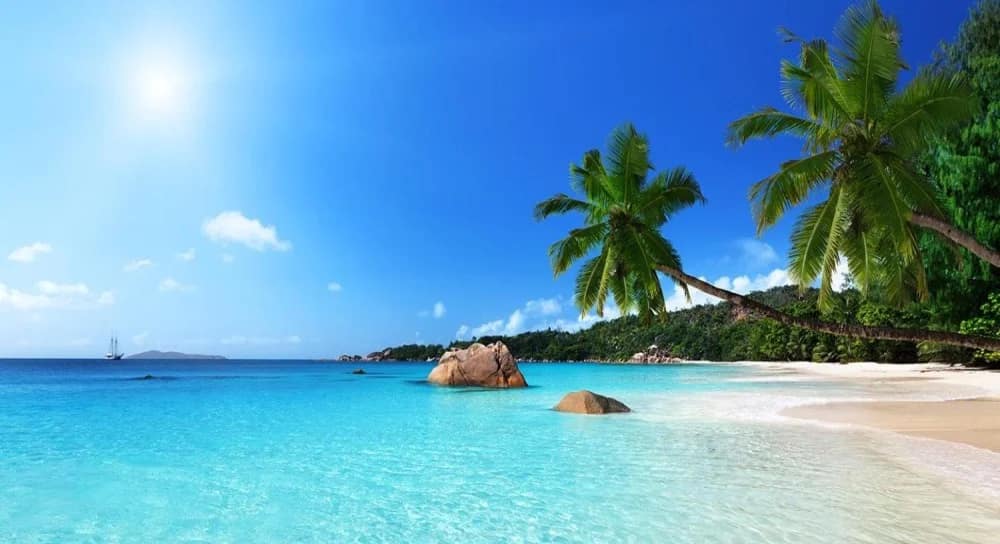
After days of thrilling game drives in Kenya’s savannah, nothing feels more magical than stepping onto a sun-soaked beach where the Indian Ocean sparkles in shades of turquoise. Kenya’s coastline is where adventure slows into relaxation — palm trees sway above white sands, dhows sail across calm waters, and vibrant Swahili culture invites you to linger. For many travelers, the perfect African safari ends not at the lodge but on the coast, where the bush meets the beach.

Kenya’s Indian Ocean Coast – Tropical Paradise
Stretching over 500 km, Kenya’s coastline is one of the country’s best-kept secrets. Here, white-sand beaches, coral reefs, and warm Indian Ocean waters create a paradise that complements the thrill of a safari. Unlike the crowded Mediterranean, Kenya’s coast feels spacious and intimate, blending natural beauty with centuries of Swahili culture shaped by Arabian and Portuguese influences.

Travelers can expect more than just lounging: the coast offers diving, snorkeling, kite surfing, spice markets, and ancient ruins. Whether you’re celebrating the end of a safari or seeking a stand-alone holiday, Kenya’s beaches offer the perfect balance of relaxation and discovery.

Diani Beach – The Crown Jewel
South of Mombasa, Diani Beach consistently ranks as Kenya’s most famous beach escape. Its 17 km stretch of soft, powdery sand and crystal-clear waters attracts both luxury seekers and adventure lovers.

Why visit: Picture yourself snorkeling over vibrant coral reefs, trying kite surfing in steady ocean breezes, or simply relaxing under the shade of coconut palms. Diani is versatile: lively beach bars and restaurants line parts of the coast, while quieter stretches toward the south offer secluded tranquility.
Accommodation: From boutique hotels to five-star resorts, Diani caters to all. Luxury resorts average $250–$400 per night, while budget-friendly guesthouses can be found for $60–$100 per night.
Unique activities: Explore the Kisite-Mpunguti Marine Park, where dolphins are often spotted, or take a day trip to Wasini Island for snorkeling with colorful reef fish.

For honeymooners, families, or solo travelers, Diani delivers a picture-perfect coastal finale after safari adventures.

Watamu & Malindi – Marine Adventures
For travelers seeking a quieter, eco-friendly experience, Watamu and Malindi on Kenya’s north coast are ideal.

Watamu: Known for its protected Marine National Park, Watamu offers some of the best snorkeling and diving in East Africa. Here, coral gardens teem with fish, turtles, and even whale sharks in season. Boutique eco-lodges average $120–$250 per night, with diving excursions starting around $50–$70.
Malindi: A little livelier, Malindi blends Swahili charm with Italian influence, thanks to its popularity with European visitors. It offers broad beaches, historic sites like the Gedi Ruins, and opportunities for deep-sea fishing. Prices range from $80–$200 per night, making it a good mid-range option.

These towns are perfect for travelers who prefer marine life, history, and a more laid-back vibe than Diani.

Lamu Island – Culture and Serenity
For a step back in time, Lamu Island in the far north offers a cultural escape unlike anywhere else. Recognized as a UNESCO World Heritage Site, Lamu is a living museum of Swahili culture, with narrow alleyways, carved wooden doors, and centuries-old mosques.

– Why it’s special: Cars are almost nonexistent here. Instead, life moves at a slower pace with donkey carts and traditional dhows.
What to do: Stroll through Lamu Old Town, sail on a dhow at sunset, relax on Shela Beach, or enjoy fresh seafood infused with Arabic and Indian spices.
Cost: Boutique stays range from $80–$180 per night, with luxury villas priced higher.

Lamu is perfect for travelers seeking culture, seclusion, and romance — a true escape from the modern world.

Zanzibar and Other Options
For those extending their adventure into Tanzania, Zanzibar is another Indian Ocean jewel just a short flight away. Its mix of lively resort beaches, spice plantations, and the UNESCO-listed Stone Town makes it a strong rival to Kenya’s coast.

Zanzibar vs Kenya Coast:

Kenya’s beaches tend to feel quieter and more relaxed, while Zanzibar offers more nightlife and cultural excursions. Both share the same postcard-perfect turquoise waters and palm-lined sands. Africompass often helps clients decide based on their travel style — or even combines both into one itinerary.

Best Time to Visit Kenya’s Beaches.


Kenya’s coast enjoys warm weather year-round, but the best times are during the dry seasons: December–March and July–October. Expect sunny skies, low humidity, and calm seas — ideal for snorkeling, diving, and relaxation.

Avoid the long rains (April–May) and short rains (November) when heavy showers can disrupt beach plans and water clarity.

Travel tip: After a safari in Nairobi or the Maasai Mara, many travelers fly directly to Mombasa or Ukunda (Diani’s local airport) to begin their beach holiday. Connections are seamless, making “bush-to-beach” travel easier than ever.

Bush and Beach: The Perfect Combo
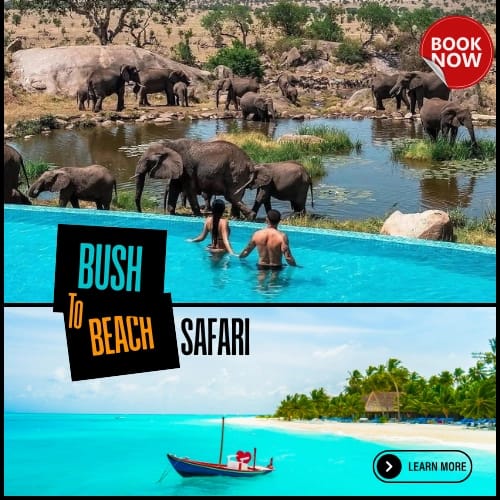
Nothing completes a safari like ending with a few days on the coast. Imagine watching lions stalk prey at sunrise in the Maasai Mara, then sipping a cocktail at sunset as waves lap at your feet in Diani. Africompass specializes in custom safari-and-beach packages, ensuring smooth connections from the savannah to the sea.

Why Book with Africompass
Kenya’s coast offers plenty of choice, but planning the right beach extension can be overwhelming. Which beach suits you best? How many days should you spend? What’s the smoothest way to connect from safari to sea?

With Africompass Travel, you get local expertise, trusted partners, and tailor-made itineraries designed to maximize both adventure and relaxation. Whether you want five-star luxury in Diani, a boutique eco-stay in Watamu, or cultural immersion in Lamu, we’ll craft the perfect ending to your African adventure.

Start planning your safari

Tell us your dates and dream, and a local specialist will craft your trip.

Danson Njuguna Safari specialist Start planning

Frequently asked questions

When is the best time to go on safari?

It depends on what you want to see. For the Great Migration river crossings in the Maasai Mara, visit between July and October, when the herds cross the Mara River in search of fresh grazing. For calving season and dense predator activity, January to March is excellent, particularly around the southern Serengeti. Kenya's two dry seasons (June to October and January to February) generally offer the clearest skies and easiest game viewing across Amboseli, Tsavo, and Samburu, since animals gather around limited water sources. The 'green season' (November and April to May) brings lush scenery, migratory birdlife, and lower rates, though some rural roads can be muddy. Tell us your travel dates and priorities, and we will recommend the destinations that fit best.

Do I need a visa and vaccinations?

Most nationalities need a Kenya eTA (Electronic Travel Authorisation), applied for online before you fly; Tanzania and Zanzibar require their own separate visa, available online or on arrival depending on your nationality. Entry requirements change from time to time, so confirm the current rules for your passport a few weeks before departure. A Yellow Fever vaccination certificate is mandatory if you are arriving from, or have transited through, a Yellow Fever risk country, and we recommend it in general along with being up to date on routine vaccinations (MMR, tetanus, hepatitis A and B). Most safari areas are malaria zones, so antimalarial medication is strongly advised. Always check final requirements with your doctor or a travel health clinic, and ask us for the latest entry rules when you book.

Are your safaris private or group?

Every itinerary we build is private and tailor-made by default: your own vehicle, driver-guide, and schedule, with no strangers added to your trip. That means you can linger an extra morning at a favourite lodge, adjust the route on the go, or add a visit to the Emmanuel New Hope Rescue Centre we support. If you would rather share costs or travel as a solo guest, we can also arrange a scheduled group departure and match you with other travellers on similar dates. Either way, your safari is planned by our Nairobi-based specialists around your budget, dates, and interests, not a fixed package.

How much does a Kenya safari cost?

Safari costs vary widely depending on where you stay and how you travel. Budget camping safaris in parks like Amboseli or Lake Nakuru can start from around USD 150 to 250 per person per day, mid-range lodge safaris typically run USD 250 to 450 per day, and luxury tented camps in the Maasai Mara or Serengeti can exceed USD 750 per day. Your quote always includes a private vehicle, driver-guide, park fees, and accommodation as specified in your itinerary. Since every trip we build is tailor-made, tell us your budget and travel dates and we'll show you exactly what it buys, with no hidden extras.

What should I pack for an African safari?

Pack light, neutral-coloured clothing (khaki, olive, beige) for game drives, since bright colours and dark blue can attract tsetse flies in some regions. Bring layers for early morning drives, which can be cold even near the equator, plus a hat, sunglasses, and high-SPF sunscreen. A good pair of binoculars, a camera with a zoom lens, and a portable charger make a real difference to the experience. Comfortable closed shoes are more useful than sandals, and most lodges offer laundry service, so you rarely need more than a week's worth of clothing even on a longer trip. We send a full packing checklist tailored to your specific itinerary and season once you book.

Do you offer self-drive or chauffeur-driven car hire?

Yes. Alongside our guided safaris, we offer both self-drive car hire and chauffeur-driven vehicles for clients who want more flexibility around Nairobi, the coast, or shorter road trips. Self-drive suits experienced drivers comfortable with Kenyan road conditions, while a chauffeur-driven car is the better choice for game-viewing routes, night driving, or if you'd simply rather relax and let a local expert handle the roads. All our vehicles are well-maintained 4x4s suited to both tarmac and rougher safari tracks. Let us know your route and dates and we'll recommend the right option.

Is it safe to travel to Kenya and Tanzania?

Millions of visitors travel safely to Kenya and Tanzania every year, and the main tourist circuits, national parks, and coastal resorts are well-established and closely monitored. As with any international travel, sensible precautions apply: use a reputable operator (we're KATO-verified), avoid displaying valuables in cities, and follow your guide's advice in wildlife areas, where the real risk is animals, not crime. We stay in regular contact with our clients throughout their trip, and our drivers know the routes and current conditions well. If you have specific safety questions about your itinerary, we're happy to talk them through before you book.

Can you combine a safari with a beach holiday in Zanzibar or Diani?

Absolutely, it's one of our most popular combinations. A typical itinerary pairs 4 to 7 days on safari in the Maasai Mara, Amboseli, or Serengeti with 3 to 5 days unwinding on the beach in Zanzibar or Diani Beach, taking advantage of short connecting flights between the two. We handle all the logistics, including domestic flight bookings and airport transfers, so you go straight from game drives to the Indian Ocean without the stress of planning it yourself. Tell us how many days you have and we'll suggest a balance between wildlife and beach time that fits your trip.

Your Question