What happens on a typical safari day?

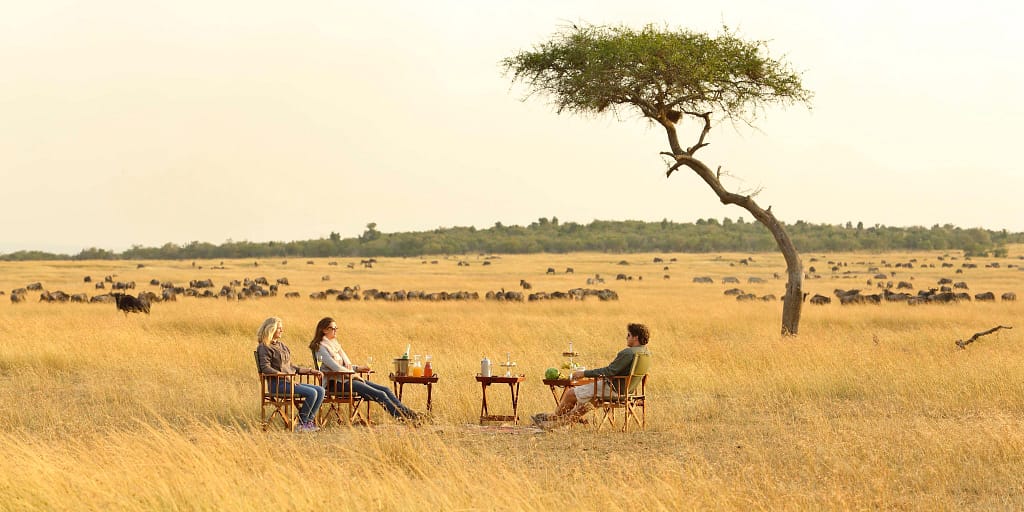
kimondo camp sundowners

An African safari is often a once-in-a-lifetime dream, a journey into the heart of the wild. But beyond the incredible wildlife sightings, what does a day on safari actually look like? The rhythm of a safari is dictated by the animals themselves, creating a daily schedule that maximizes your chances of witnessing nature's greatest spectacles.

Here's a detailed look at what you can expect on a typical, magical day on safari with Africompass.

The Crack of Dawn: Early Morning Game Drive (6:00 AM - 9:30 AM)

Your day starts before the sun. After a quick wake-up call and a warm cup of coffee or tea with a light snack, you'll head out in your 4x4 safari vehicle. This isn't just an early start for the sake of it; this is prime time in the bush.

Why so early? The hours just after sunrise are when the wild is most active. Predators like lions, leopards, and cheetahs are often on the prowl, finishing up their nocturnal hunts. The air is cool, the light is soft and golden (perfect for photography!), and the animals are on the move. You might catch a lioness leading her cubs, a leopard descending from a tree, or a herd of elephants making their way to a waterhole.

Mid-Morning: A Well-Earned Breakfast (9:30 AM - 11:00 AM)

After a few thrilling hours of wildlife viewing, you'll return to your lodge or camp for a hearty breakfast. Some safari itineraries even include a magical "bush breakfast," where your guide sets up a full breakfast spread right in the middle of the savanna. There's nothing quite like sipping coffee while watching giraffes graze in the distance.

The Midday Siesta: Relaxation and Recharge (11:00 AM - 3:30 PM)

As the African sun climbs higher, the temperature rises, and most animals seek shelter from the heat to conserve energy. This is your time to do the same.

The midday period is for relaxation and enjoying the amenities of your accommodation. You can:

  • Take a refreshing dip in the pool.
  • Read a book on your private veranda overlooking the plains.
  • Look through the photos you took that morning.
  • Take a well-deserved nap to the sounds of the bush.

Lunch is usually served around 1:00 PM, offering a delicious refuel before the afternoon's adventures.

The Golden Hour: Afternoon Game Drive (4:00 PM - 6:30 PM)

As the day begins to cool, the wilderness awakens once more. After afternoon tea and snacks, you'll head out for your second game drive. The focus of this drive is the golden hour leading up to sunset.

The lighting is once again perfect for photography, casting a warm glow over the landscape. Animals become more active, heading to waterholes for an evening drink. This is a great time to spot hippos emerging from the water or large herds gathering before nightfall.

Many afternoon drives culminate in one of safari's most cherished traditions: the sundowner. Your guide will find a scenic spot, and you'll get out of the vehicle to enjoy drinks and snacks as you watch the sun dip below the horizon, painting the sky in fiery colors.

Evening: Dinner and Stargazing (7:00 PM onwards)

After returning from your evening drive, you'll have some time to freshen up before dinner. Dinners on safari are often a social affair, a time to share stories of the day's sightings with fellow travelers and your guides around a crackling campfire.

The cuisine is typically excellent, often featuring a mix of international and local flavors. After dinner, step away from the fire and look up. With no city lights to interfere, the African night sky is a breathtaking spectacle, with the Milky Way shining in all its glory.

Your Unforgettable Day Awaits

A day on safari is a perfect blend of thrilling adventure and peaceful relaxation, a journey that connects you to the timeless rhythms of the natural world. Every day is different, and every moment holds the promise of a new discovery.

Ready to experience your own typical day on safari?

Book Now & Save 15%

Frequently Asked Questions

Q: What time does a safari day start?
A: A typical safari day starts around 6:00 AM with an early morning game drive when wildlife is most active.

Q: How many game drives per day?
A: Most safaris include two game drives per day: one in the early morning and one in the late afternoon/evening.

Q: What should I wear on a game drive?
A: Wear neutral-colored, comfortable clothing in layers. Mornings can be cool, but it warms up quickly. Don't forget a hat and sunscreen!

Q: Can I get out of the vehicle during a game drive?
A: Generally, you must stay in the vehicle for safety reasons. However, your guide may stop at designated safe areas for sundowners or photo opportunities.

Q: Is every safari day the same?
A: While the schedule is similar, no two safari days are ever the same. Wildlife sightings are unpredictable, which is part of the magic!

Africompass 15 OFF banner 1

Start planning your safari

Tell us your dates and dream, and a local specialist will craft your trip.

Danson Njuguna Safari specialist Start planning

Frequently asked questions

When is the best time to go on safari?

It depends on what you want to see. For the Great Migration river crossings in the Maasai Mara, visit between July and October, when the herds cross the Mara River in search of fresh grazing. For calving season and dense predator activity, January to March is excellent, particularly around the southern Serengeti. Kenya's two dry seasons (June to October and January to February) generally offer the clearest skies and easiest game viewing across Amboseli, Tsavo, and Samburu, since animals gather around limited water sources. The 'green season' (November and April to May) brings lush scenery, migratory birdlife, and lower rates, though some rural roads can be muddy. Tell us your travel dates and priorities, and we will recommend the destinations that fit best.

Do I need a visa and vaccinations?

Most nationalities need a Kenya eTA (Electronic Travel Authorisation), applied for online before you fly; Tanzania and Zanzibar require their own separate visa, available online or on arrival depending on your nationality. Entry requirements change from time to time, so confirm the current rules for your passport a few weeks before departure. A Yellow Fever vaccination certificate is mandatory if you are arriving from, or have transited through, a Yellow Fever risk country, and we recommend it in general along with being up to date on routine vaccinations (MMR, tetanus, hepatitis A and B). Most safari areas are malaria zones, so antimalarial medication is strongly advised. Always check final requirements with your doctor or a travel health clinic, and ask us for the latest entry rules when you book.

Are your safaris private or group?

Every itinerary we build is private and tailor-made by default: your own vehicle, driver-guide, and schedule, with no strangers added to your trip. That means you can linger an extra morning at a favourite lodge, adjust the route on the go, or add a visit to the Emmanuel New Hope Rescue Centre we support. If you would rather share costs or travel as a solo guest, we can also arrange a scheduled group departure and match you with other travellers on similar dates. Either way, your safari is planned by our Nairobi-based specialists around your budget, dates, and interests, not a fixed package.

How much does a Kenya safari cost?

Safari costs vary widely depending on where you stay and how you travel. Budget camping safaris in parks like Amboseli or Lake Nakuru can start from around USD 150 to 250 per person per day, mid-range lodge safaris typically run USD 250 to 450 per day, and luxury tented camps in the Maasai Mara or Serengeti can exceed USD 750 per day. Your quote always includes a private vehicle, driver-guide, park fees, and accommodation as specified in your itinerary. Since every trip we build is tailor-made, tell us your budget and travel dates and we'll show you exactly what it buys, with no hidden extras.

What should I pack for an African safari?

Pack light, neutral-coloured clothing (khaki, olive, beige) for game drives, since bright colours and dark blue can attract tsetse flies in some regions. Bring layers for early morning drives, which can be cold even near the equator, plus a hat, sunglasses, and high-SPF sunscreen. A good pair of binoculars, a camera with a zoom lens, and a portable charger make a real difference to the experience. Comfortable closed shoes are more useful than sandals, and most lodges offer laundry service, so you rarely need more than a week's worth of clothing even on a longer trip. We send a full packing checklist tailored to your specific itinerary and season once you book.

Do you offer self-drive or chauffeur-driven car hire?

Yes. Alongside our guided safaris, we offer both self-drive car hire and chauffeur-driven vehicles for clients who want more flexibility around Nairobi, the coast, or shorter road trips. Self-drive suits experienced drivers comfortable with Kenyan road conditions, while a chauffeur-driven car is the better choice for game-viewing routes, night driving, or if you'd simply rather relax and let a local expert handle the roads. All our vehicles are well-maintained 4x4s suited to both tarmac and rougher safari tracks. Let us know your route and dates and we'll recommend the right option.

Is it safe to travel to Kenya and Tanzania?

Millions of visitors travel safely to Kenya and Tanzania every year, and the main tourist circuits, national parks, and coastal resorts are well-established and closely monitored. As with any international travel, sensible precautions apply: use a reputable operator (we're KATO-verified), avoid displaying valuables in cities, and follow your guide's advice in wildlife areas, where the real risk is animals, not crime. We stay in regular contact with our clients throughout their trip, and our drivers know the routes and current conditions well. If you have specific safety questions about your itinerary, we're happy to talk them through before you book.

Can you combine a safari with a beach holiday in Zanzibar or Diani?

Absolutely, it's one of our most popular combinations. A typical itinerary pairs 4 to 7 days on safari in the Maasai Mara, Amboseli, or Serengeti with 3 to 5 days unwinding on the beach in Zanzibar or Diani Beach, taking advantage of short connecting flights between the two. We handle all the logistics, including domestic flight bookings and airport transfers, so you go straight from game drives to the Indian Ocean without the stress of planning it yourself. Tell us how many days you have and we'll suggest a balance between wildlife and beach time that fits your trip.

Your Question