
Everything You Need to Know About Samburu National Reserve: History, Unique Wildlife & Travel Guide
Samburu National Reserve, nestled in the arid landscapes of northern Kenya, is a jewel of African wilderness. Far from the bustling crowds of the south, Samburu offers a unique safari experience, renowned for its distinct wildlife species, dramatic scenery, and the rich cultural heritage of the Samburu people. It's a place where the Ewaso Ng'iro River breathes life into a parched land, creating an oasis for a remarkable array of animals.
Planning a safari to Samburu? Whether you're captivated by the thought of seeing the "Samburu Special Five" or eager to delve into the reserve's fascinating history and conservation efforts, this comprehensive guide has everything you need to know before your visit.
In this article, we'll explore Samburu's intriguing history, discover the incredible unique wildlife and ecosystems you'll encounter, learn the best times to visit, and provide practical travel tips to make your safari unforgettable. Whether you're a first-time visitor or a seasoned safari-goer, this guide will prepare you for an adventure into one of Kenya's most distinctive wild frontiers.
📋 What This Guide Covers:
- Samburu's Intriguing History - From its establishment to its role in conservation.
- The Samburu Special Five - Discovering the unique wildlife of the north.
- Iconic Wildlife & Ecosystems - Beyond the Special Five, what else to see.
- Conservation Efforts - Protecting Samburu's delicate balance.
- Best Time to Visit - Seasonal guide for optimal wildlife viewing.
- Cultural Experiences - Connecting with the Samburu people.
- Insider Tips - Expert advice for an unforgettable safari.
At Africompass Travel, we use this knowledge to craft personalized safaris that go beyond typical tours—connecting you with Samburu's stories, people, and wildlife in ways that create lasting memories.
Samburu's Intriguing History: A Northern Gem
The story of Samburu National Reserve is one of foresight and dedication, recognizing the unique ecological value of this semi-arid region. Established in the 1960s, the reserve has grown to become a critical sanctuary for northern Kenya's distinct wildlife species.
Establishment and Early Days
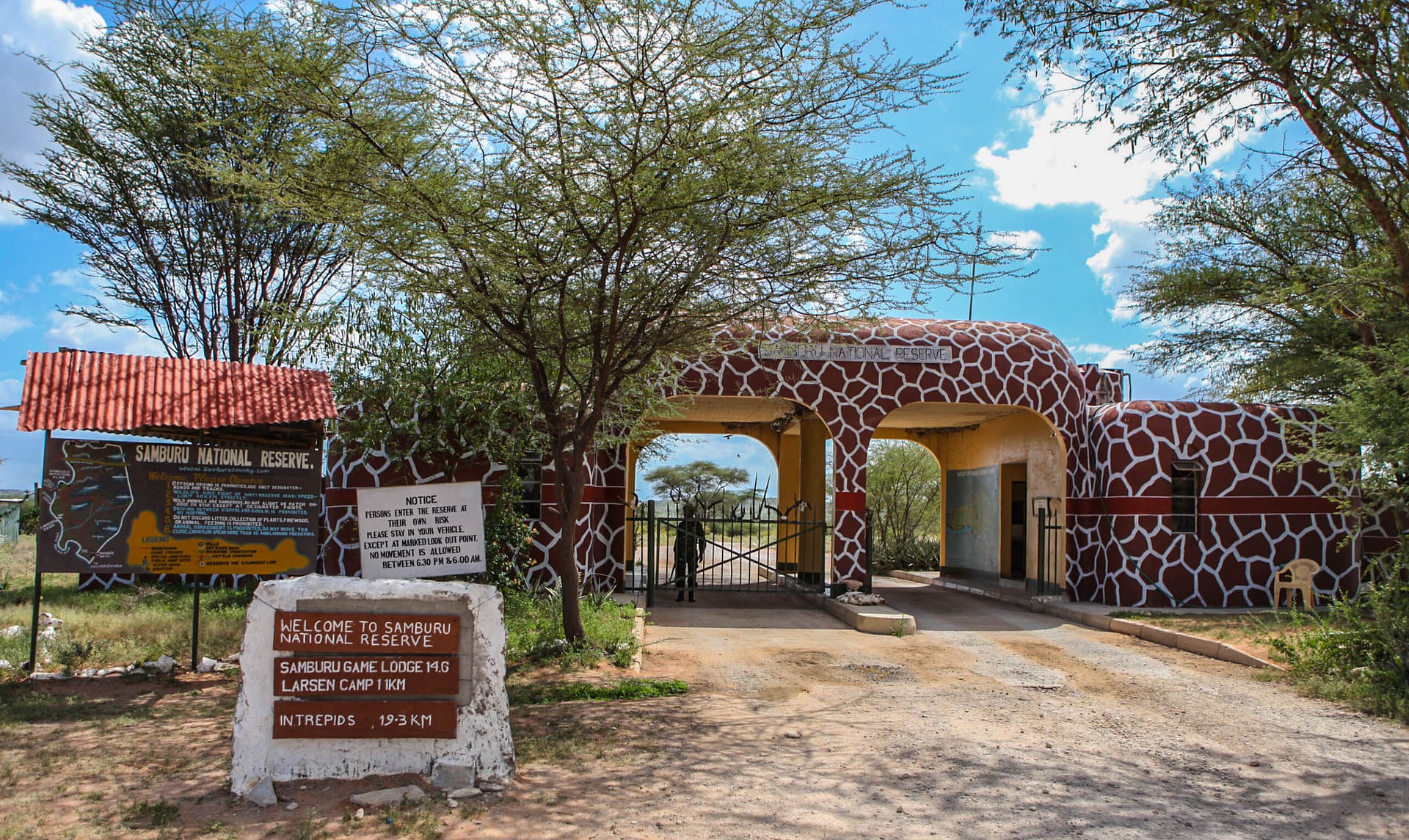
Samburu National Reserve was officially established in 1962. Its creation was a pivotal moment for conservation in northern Kenya, aiming to protect the diverse wildlife that thrives along the life-giving Ewaso Ng'iro River. The reserve quickly gained international recognition, partly due to its association with renowned conservationists George and Joy Adamson, who famously raised Elsa the Lioness here, as depicted in the book and film "Born Free."
The Samburu People: Guardians of the Land
The reserve is not only a haven for wildlife but also the ancestral land of the Samburu people, a semi-nomadic pastoralist community closely related to the Maasai. For centuries, the Samburu have coexisted with the wildlife, their traditional way of life deeply intertwined with the rhythms of the bush. Their knowledge of the land, its animals, and its plants is invaluable to the reserve's ongoing conservation efforts.
🌍 Conservation Through Tourism: Today, sustainable tourism is crucial to Samburu's protection. Africompass Travel partners directly with conservation organizations and local communities, ensuring that your safari fees support anti-poaching efforts, wildlife research, and community development. When you travel with us, you are not just observing conservation—you are actively participating in it.
The Samburu Special Five: Unique Wildlife Encounters
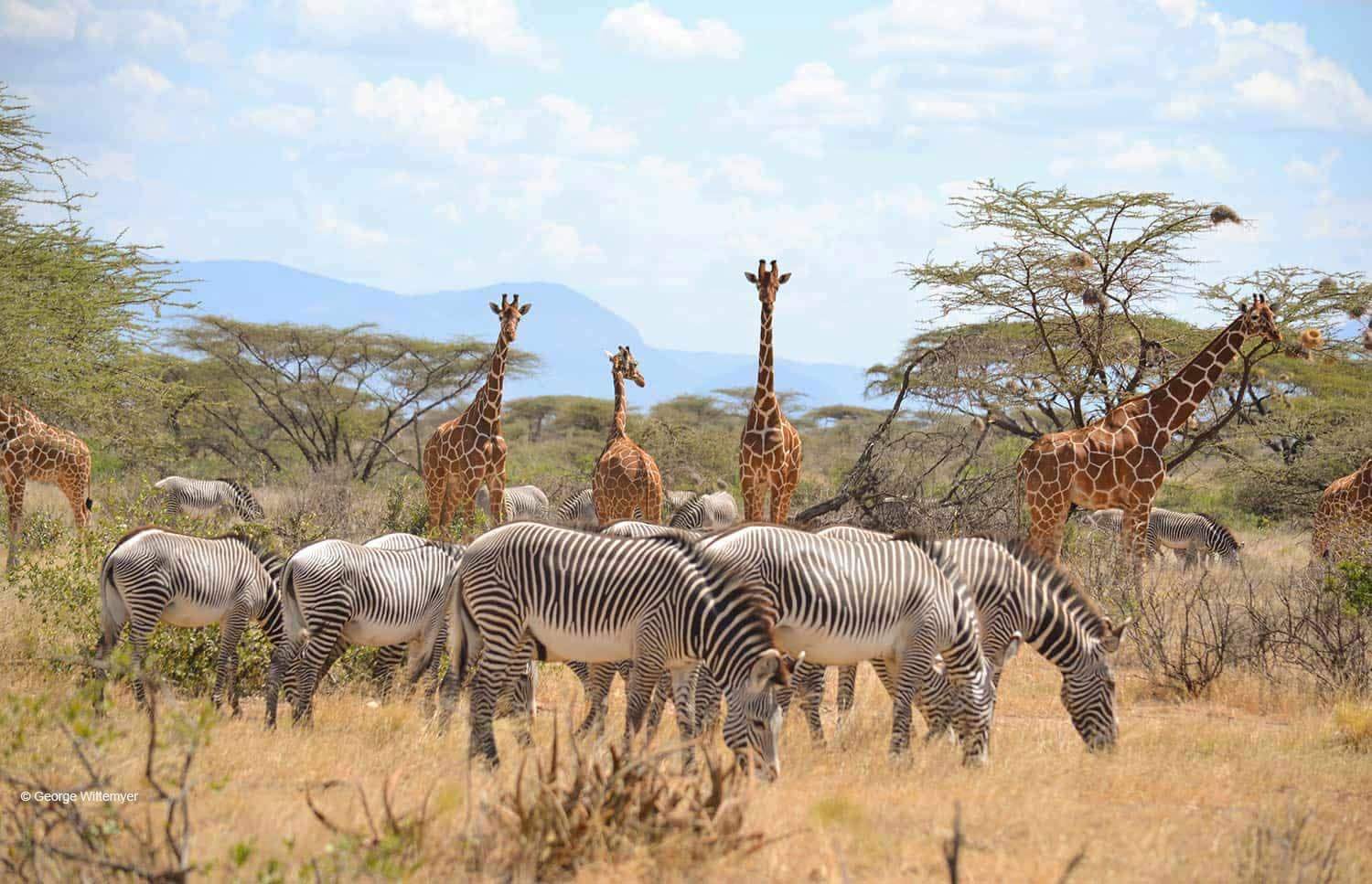
What truly sets Samburu apart is its collection of unique species, often referred to as the "Samburu Special Five." These animals are endemic to the northern arid regions of Kenya and are rarely seen elsewhere, making a safari here a truly distinctive experience.
Meet the Special Five:
- Grevy's Zebra: Larger than common zebras, with narrower, more numerous stripes and large, rounded ears.
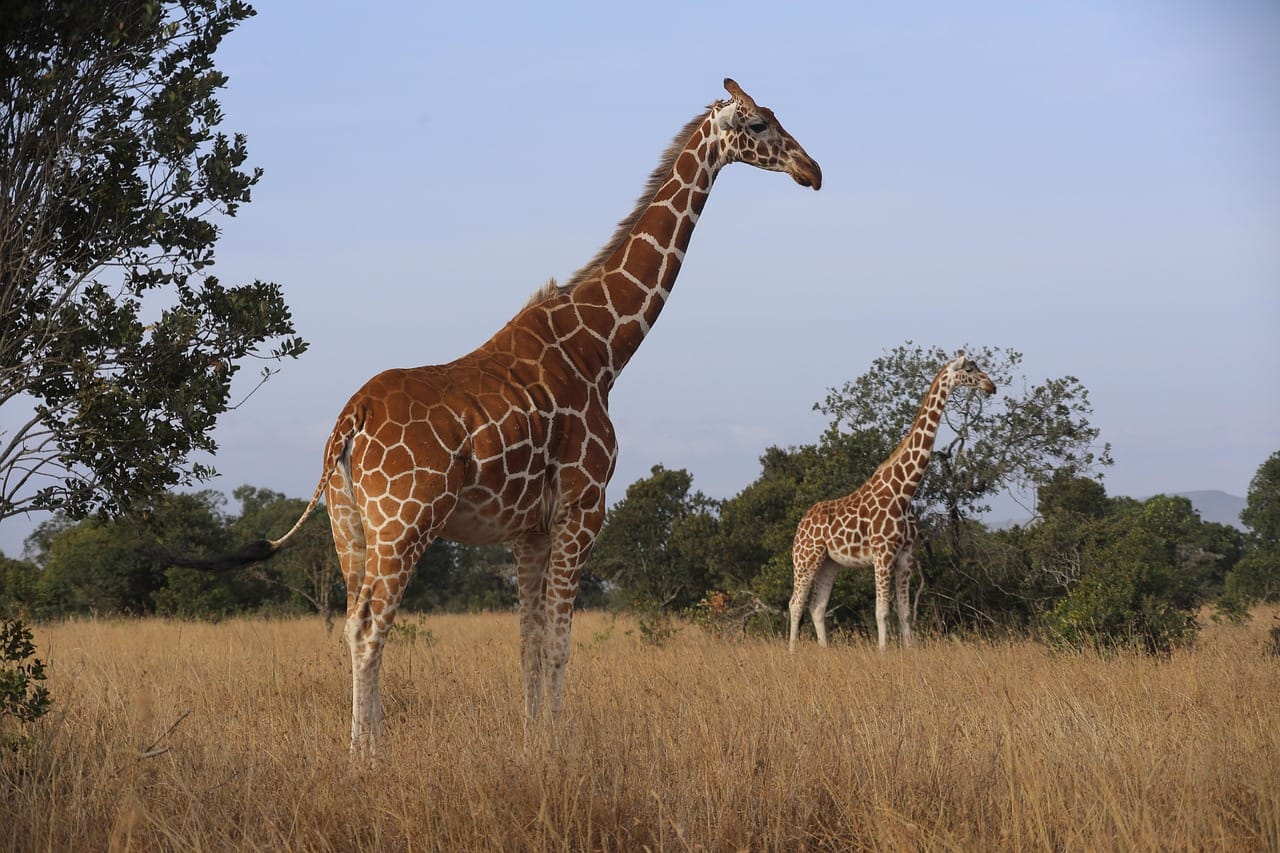
- Reticulated Giraffe: Known for its striking, liver-colored polygonal patches separated by a network of bright white lines.
- Somali Ostrich: Distinguished by its blue-grey neck and legs, unlike the pinkish hue of common ostriches.
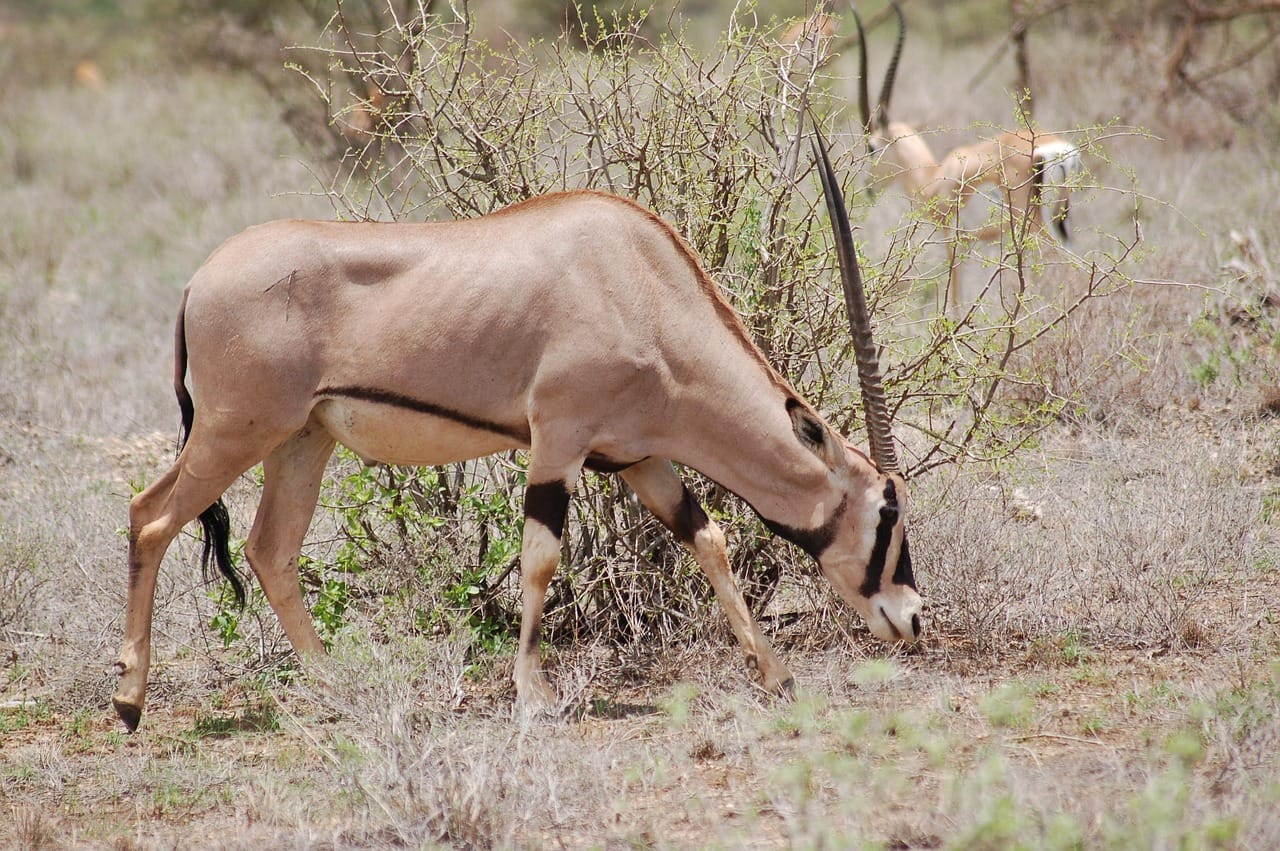
- Beisa Oryx: A large, striking antelope with long, straight horns and distinctive black markings on its face.
- Gerenuk (Giraffe-necked Antelope): Famous for its long neck and ability to stand on its hind legs to reach higher foliage.
🐘 Your Unique Wildlife Encounter: When you safari with Africompass Travel, our expert guides specialize in tracking and identifying these rare species. They'll share fascinating insights into their behavior and the challenges they face, transforming a simple sighting into a deeper understanding of Samburu's ecological treasures. You are not just seeing animals; you are connecting with a unique ecosystem.
Iconic Wildlife & Ecosystems Beyond the Special Five
While the Special Five are a major draw, Samburu is also home to a rich diversity of other wildlife. The Ewaso Ng'iro River, which flows through the reserve, is a magnet for animals, especially during the dry season.
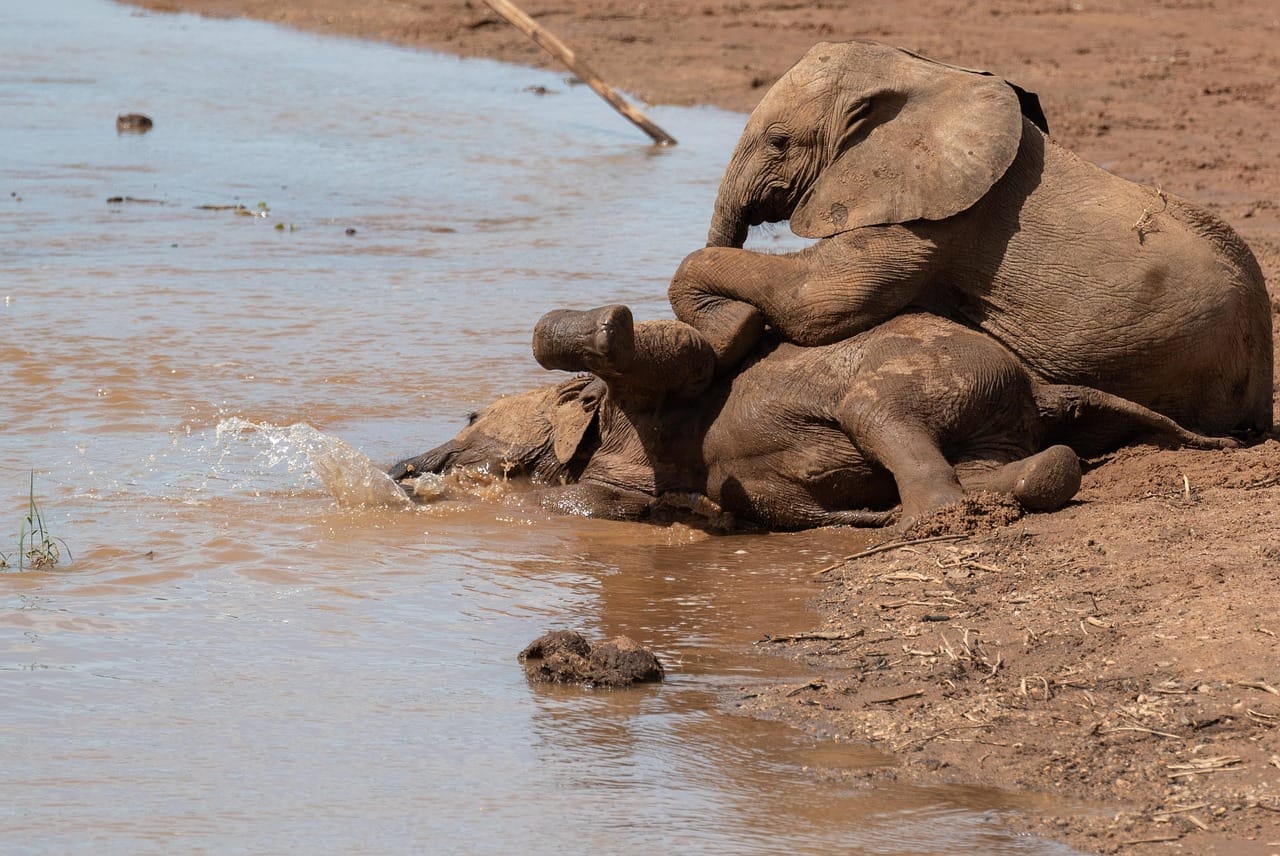
- Elephants: Large herds of elephants are a common sight, often seen bathing in the river or foraging in the riverine forests.
- Big Cats: Lions, leopards, and cheetahs are present, though often more elusive than in southern parks. Samburu lions are known for their lighter-colored manes.
- Other Mammals: You can also spot buffalo, hippos, crocodiles, impalas, Grant's gazelles, and various species of monkeys and baboons.
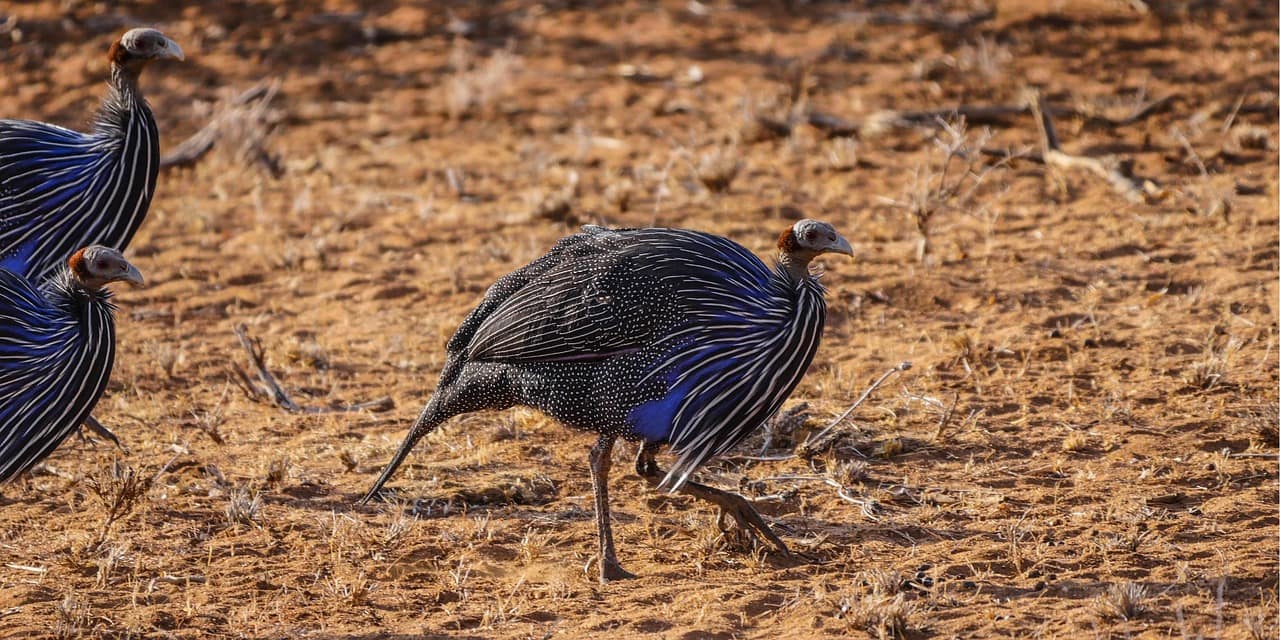
- Birdlife: Samburu is a birdwatcher's paradise, with over 350 species recorded, including many dry-country specialists.
Best Time to Visit Samburu National Reserve
Samburu offers excellent wildlife viewing year-round, but the dry season (June to October and December to March) is generally considered the best time. During these months, vegetation is sparse, and animals congregate around the Ewaso Ng'iro River, making them easier to spot. The weather is also typically sunny and dry, ideal for game drives.
Cultural Experiences: Connecting with the Samburu People
A visit to Samburu is incomplete without an interaction with the local Samburu community. Many lodges and camps offer cultural visits to local villages, providing an opportunity to learn about their traditions, customs, and semi-nomadic lifestyle. These visits often include traditional dances, demonstrations of crafts, and insights into their unique relationship with the land and its wildlife.
🤝 Authentic Cultural Immersion: Africompass Travel works exclusively with Samburu guides and community partners who have deep roots in the region. Our guides don't just show you wildlife—they share their heritage, their stories, and their vision for sustainable tourism. You'll experience authentic interactions, visit community projects, and understand how tourism directly benefits local families. This is tourism with purpose.
Insider Tips for Your Samburu Safari
- Pack Light, Dress Smart: Light, neutral-colored clothing is best. Don't forget a hat, sunglasses, and sunscreen. Evenings can be cool, so a light jacket is advisable.
- Binoculars are a Must: With unique species and sometimes vast distances, good binoculars will greatly enhance your viewing experience.
- Stay Hydrated: The northern climate can be hot and dry. Drink plenty of water throughout the day.
- Respect Local Culture: When visiting Samburu communities, always ask for permission before taking photos and dress modestly.
📚 Knowledge That Transforms Your Safari: This is why Africompass Travel invests in guide training and conservation partnerships. Our team doesn't just drive you around the reserve—we educate, inspire, and connect you to Samburu's story. Every game drive becomes a learning experience, every wildlife encounter gains context, and every moment becomes meaningful.
Ready to Experience Samburu the Right Way?
Now that you understand Samburu's incredible history, unique wildlife, and what makes it special, it's time to experience it firsthand. Let the experts at Africompass Travel craft your perfect safari. We'll ensure you experience not just the incredible wildlife, but also the deep cultural and historical roots of this magical place.
Our expert guides will share stories that bring the history to life, connect you with the unique wildlife, and ensure your safari supports conservation efforts. We don't just show you Samburu—we help you understand it, appreciate it, and become part of its conservation story.
When you book with Africompass Travel, you are choosing:
- ✓ Expert guides who know Samburu's history and wildlife intimately
- ✓ Authentic cultural experiences with local Samburu communities
- ✓ Direct support for conservation and community development
- ✓ Personalized safaris tailored to your interests
- ✓ Responsible tourism practices that protect the ecosystem
Frequently Asked Questions About Samburu
What are the Samburu Special Five?
The Samburu Special Five are five unique wildlife species endemic to northern Kenya: Grevy's zebra, reticulated giraffe, Somali ostrich, Beisa oryx, and gerenuk. These animals are rarely seen in other parts of Kenya, making Samburu a unique destination for wildlife enthusiasts.
When was Samburu National Reserve established?
Samburu National Reserve was officially established in 1962 as a protected area to conserve the unique wildlife and ecosystems of northern Kenya.
What is the best time to visit Samburu?
The dry season (June to October and December to March) is the best time to visit Samburu. During these periods, animals congregate around the Ewaso Ng'iro River, making wildlife viewing easier and more rewarding.
Can I interact with the Samburu people?
Yes! Many lodges and camps offer cultural visits to local Samburu villages. These experiences provide insights into their traditions, customs, and way of life. Always respect local culture and ask for permission before taking photographs.
What wildlife can I see in Samburu?
In addition to the Special Five, you can see elephants, lions, leopards, cheetahs, buffalo, hippos, crocodiles, and over 350 bird species. The Ewaso Ng'iro River is particularly good for spotting water-dependent animals.
Do you offer custom safari itineraries?
Absolutely! Africompass Travel specializes in personalized safaris. Whether you want to focus on the Special Five, combine Samburu with other reserves, or include cultural experiences, we can create a custom package just for you. Contact us to discuss your dream safari.