
Discover the Wild Side of Zanzibar with AfriCompass Tours
When you hear Zanzibar, your mind instantly envisions powder-white beaches, crystal-clear turquoise waters, and the intoxicating aroma of spices drifting through ancient stone towns. But did you know this tropical haven also harbors a secret world of wildlife and adventure?
At AfriCompass Tours, we go beyond the beaches to offer you a safari experience like no other. A safari in Zanzibar is not your traditional African game drive with lions and elephants. Instead, it’s a captivating mix of pristine forests, exotic marine life, and rare indigenous species that you won’t find anywhere else. So, if you’re looking for an unconventional yet breathtaking safari experience, let us take you on a journey to Zanzibar’s wild side!
What Makes a Zanzibar Safari Unique?
Unlike the Serengeti’s open savannah or the Ngorongoro Crater’s dramatic landscapes, Zanzibar’s safari experience is one of intimacy and discovery. With AfriCompass Tours, you’ll explore lush jungles teeming with rare monkeys, sail across protected marine reserves brimming with dolphins and sea turtles, and venture into mystical mangrove forests hiding countless secrets. Whether you’re a thrill-seeker, a nature lover, or a cultural explorer, Zanzibar’s wild side promises an adventure unlike any other.
Top Safari Experiences in Zanzibar
1. Jozani Forest Safari – Home of the Endangered Red Colobus Monkey
Nestled in the heart of Zanzibar, Jozani Chwaka Bay National Park is the island’s only national park and a must-visit for wildlife lovers. The star of the show? The Zanzibar Red Colobus Monkey, one of the world’s rarest primates, found exclusively on this island.
With AfriCompass Tours, you’ll venture into the forest with expert guides who will introduce you to these playful monkeys and their fascinating ecosystem. You’ll also encounter shy bush babies, vibrant butterflies, and an impressive variety of exotic birds.
Pro Tip: Book an early morning tour with us for the best wildlife encounters and fewer crowds!
2. Safari Blue – The Ultimate Ocean Safari
For those who love the sea, Safari Blue is a must. This full-day boat excursion takes you through the Menai Bay Conservation Area, where you’ll glide across shimmering waters, spot bottlenose and humpback dolphins, and snorkel in vibrant coral gardens.
What makes this safari even more special? The chance to relax on a deserted sandbank, indulge in a Swahili seafood feast, and explore hidden lagoons straight out of a postcard—all arranged seamlessly by AfriCompass Tours.
Don’t Miss: Swimming in the natural lagoon, surrounded by mangroves and exotic birdlife.
3. Ngezi Forest – The Wild North of Pemba Island
For a truly untouched and mystical safari experience, hop over to Pemba Island and explore Ngezi Forest Reserve. This dense, misty forest is a haven for nature lovers, home to:
- Flying foxes (giant fruit bats that look like mini-dragons!)
- Rare butterflies flitting through the tropical canopy
- Elusive vervet monkeys hidden in the shadows
Join our expert guides as we navigate the mystical trails, sharing fascinating insights into the flora, fauna, and folklore of this enchanting place.
Fun Fact: Local legends say spirits roam this forest. Whether you believe it or not, the ethereal atmosphere will leave you in awe!
4. Chumbe Island Coral Park – An Underwater Safari Like No Other
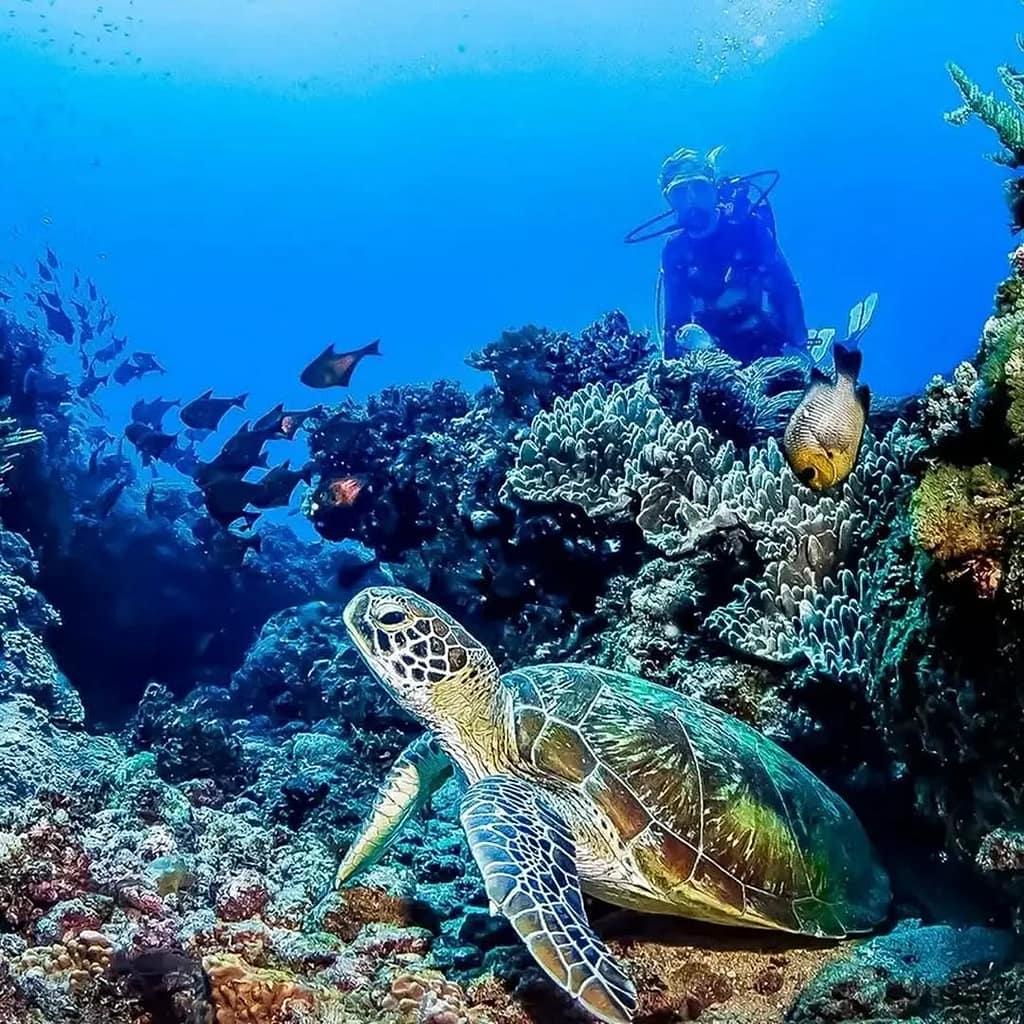
For those who love marine life, Chumbe Island offers an eco-friendly underwater safari. This protected marine park is home to over 400 species of fish, hawksbill turtles, and vibrant corals. Snorkeling here is like diving into an aquatic wonderland where every inch is alive with color and movement.
With AfriCompass Tours, you’ll enjoy an exclusive, guided experience ensuring you witness the best of this underwater paradise.
Best Time to Visit: October to March, when visibility is at its peak.
The Best Time for a Safari in Zanzibar
Timing your safari can make all the difference. Here’s what you need to know:
- June to October (Dry Season): Best for forest safaris; trails are dry, and wildlife is more active.
- November to March: Perfect for snorkeling and diving, as the ocean is at its calmest.
- April to May: The rainy season brings lush landscapes and incredible birdwatching opportunities.
Want the best of both worlds? Visit in August or September to experience both forest and marine safaris at their peak.
Where to Stay for a Zanzibar Safari Adventure
After a day of exploring, you’ll need a comfortable retreat. Here are some top choices handpicked by AfriCompass Tours:
?️ Fumba Beach Lodge – Ideal for those joining the Safari Blue tour.
?️ Chumbe Island Eco-Lodge – A private island paradise with an award-winning marine conservation program.
?️ Unguja Lodge – Perfect for blending forest and beach adventures in a serene setting.
?️ Pemba Eco Lodge – A hidden gem near Ngezi Forest for a true off-the-grid experience.
Let us handle your accommodation bookings to ensure you get the best deals and exclusive perks!
Why Choose AfriCompass Tours for Your Zanzibar Safari?
At AfriCompass Tours, we specialize in crafting authentic, tailor-made safari experiences that go beyond the ordinary. When you book with us, you get: ✅ Expert local guides with in-depth knowledge of Zanzibar’s wildlife and culture ✅ Hassle-free travel planning with top-rated accommodations and activities ✅ Sustainable and eco-friendly tours that support local conservation efforts ✅ Personalized service that ensures your safari adventure is truly unforgettable
Is a Safari in Zanzibar Worth It?
Absolutely! Zanzibar offers a one-of-a-kind safari experience that blends tropical forests, marine conservation, and rich cultural history. Whether you’re spotting rare monkeys in the jungle, diving with sea turtles, or sailing into the sunset on a dhow, every moment here is pure magic.
If you’re looking for a unique adventure beyond the classic African safari, Zanzibar is your answer.
? Are you ready to explore the wild side of paradise? Book your Zanzibar safari with AfriCompass Tours today and let us take you on an unforgettable journey! ?