This seven-day Kenya safari takes you on a sweeping circuit through four of East Africa's most celebrated wilderness areas, each with its own distinct character and extraordinary wildlife. You will begin in Amboseli, where vast elephant herds roam beneath the snow-capped silhouette of Mount Kilimanjaro, before moving on to the serene shores of Lake Naivasha for a guided boat excursion to Crescent Island. Lake Nakuru's flamingo-fringed waters and thriving rhino populations await next, setting the stage perfectly for a grand finale in the legendary Masai Mara, home of the Great Wildebeest Migration and the Big Five. Africompass curates every detail of this itinerary so that you travel with confidence, comfort, and a local expert by your side every kilometre of the way.
On Day 1 you will be collected from your Nairobi hotel or Jomo Kenyatta International Airport and driven south toward Amboseli National Park, arriving at the lodge in time for a relaxed lunch. In the afternoon you will set out on your first game drive, scanning the wide-open plains for Amboseli's famous large elephant herds, lions, buffalos, hippos and rhinos, all framed by the towering profile of Mount Kilimanjaro on the horizon. You will return to the camp as the sun sets for dinner and your first night in the African bush.
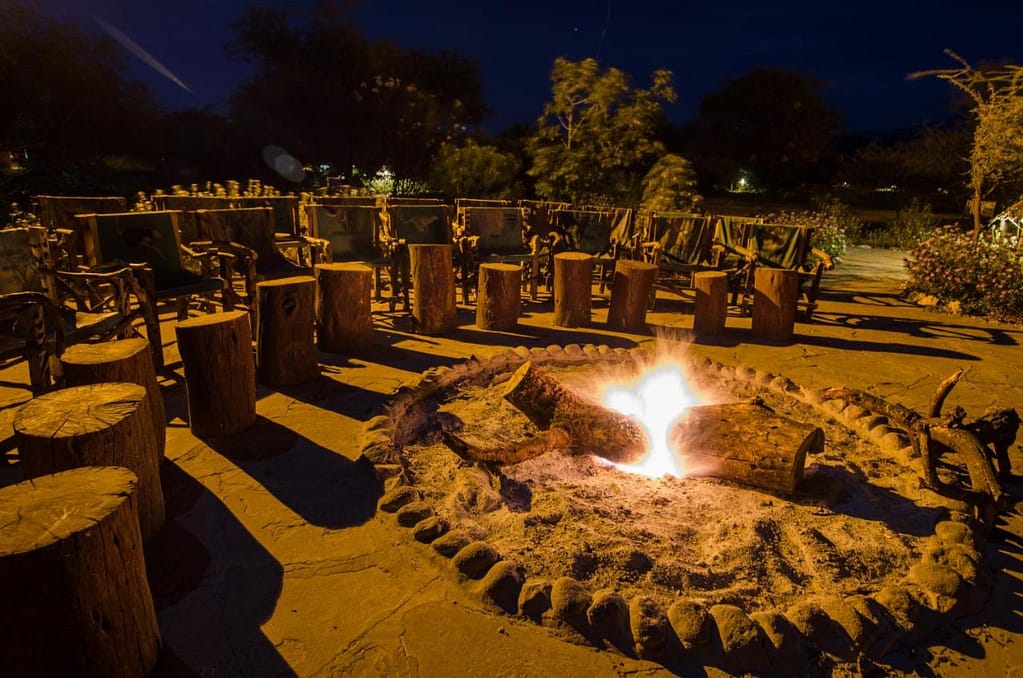
Day 2 will be dedicated entirely to Amboseli, with a morning game drive timed to catch the clearest views of Kilimanjaro as mist lifts off the plains, offering spectacular photographic opportunities. Your guide will take you to Observation Hill, where panoramic vistas stretch across the park's swamps and open grasslands, and deeper into the park's varied habitats where over 350 bird species have been recorded. An afternoon game drive will round out a full day of remarkable wildlife encounters before you return to camp for dinner.
After breakfast on Day 3 you will depart Amboseli and travel north to the tranquil shores of Lake Naivasha in the Great Rift Valley, arriving in time for lunch at your lakeside hotel. In the afternoon you will board a boat for a scenic ride to Crescent Island, a private wildlife sanctuary where you will walk freely among giraffes, zebras, wildebeest and abundant birdlife without fences or barriers. The evening will offer a gentle close to an eventful day, with dinner and an overnight stay in the peaceful lakeside setting.
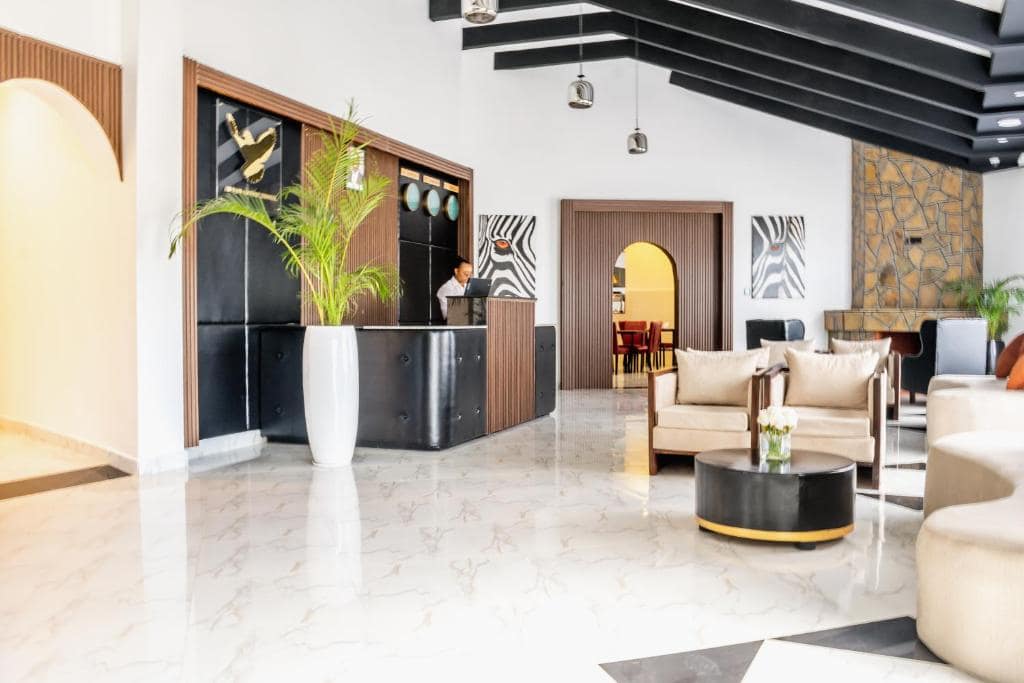
On Day 4 you will depart Lake Naivasha after breakfast and drive north to Lake Nakuru National Park, pausing for a short en-route game drive before checking in to the lodge for lunch. In the afternoon a full game drive around the lake will present the park's iconic pink flamingo flocks along with white and black rhinos, waterbucks, lions and leopards sheltering in the acacia woodland. You will return to the lodge as the Rift Valley light fades, with dinner and a restful night ahead.
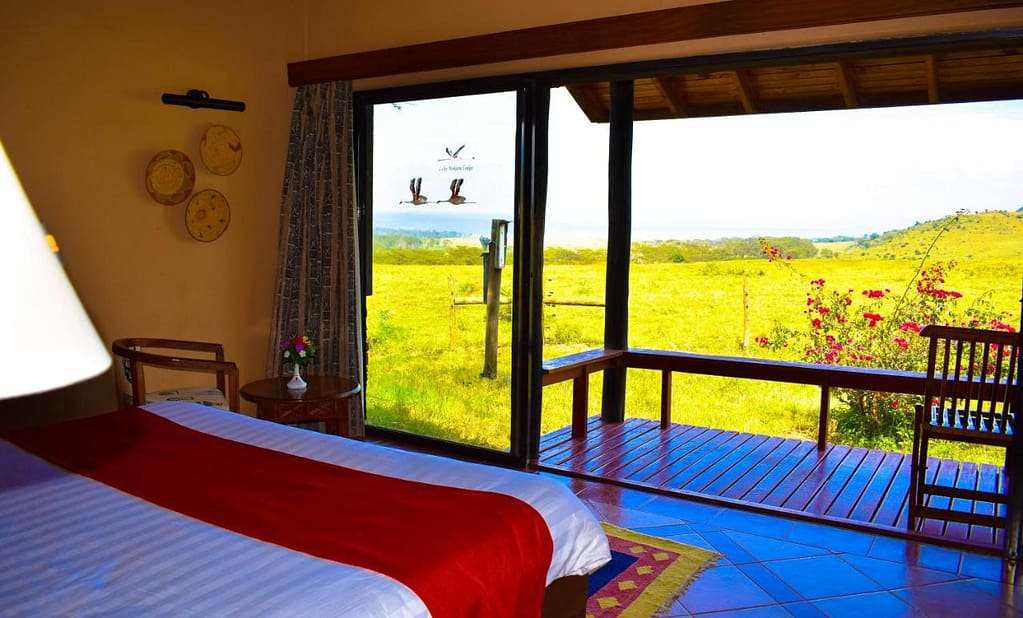
Day 5 will see you leave the Rift Valley behind as you drive west after breakfast to the renowned Masai Mara National Reserve, arriving at the camp in time for lunch and a well-earned rest. In the afternoon you will venture into the reserve for your first Mara game drive, where the dense concentrations of Big Five wildlife, including lion, leopard, elephant, rhino and buffalo, will make an immediate impression. Dinner and an overnight stay at the camp will give you time to absorb the magic of the Mara before a full day exploring it tomorrow.
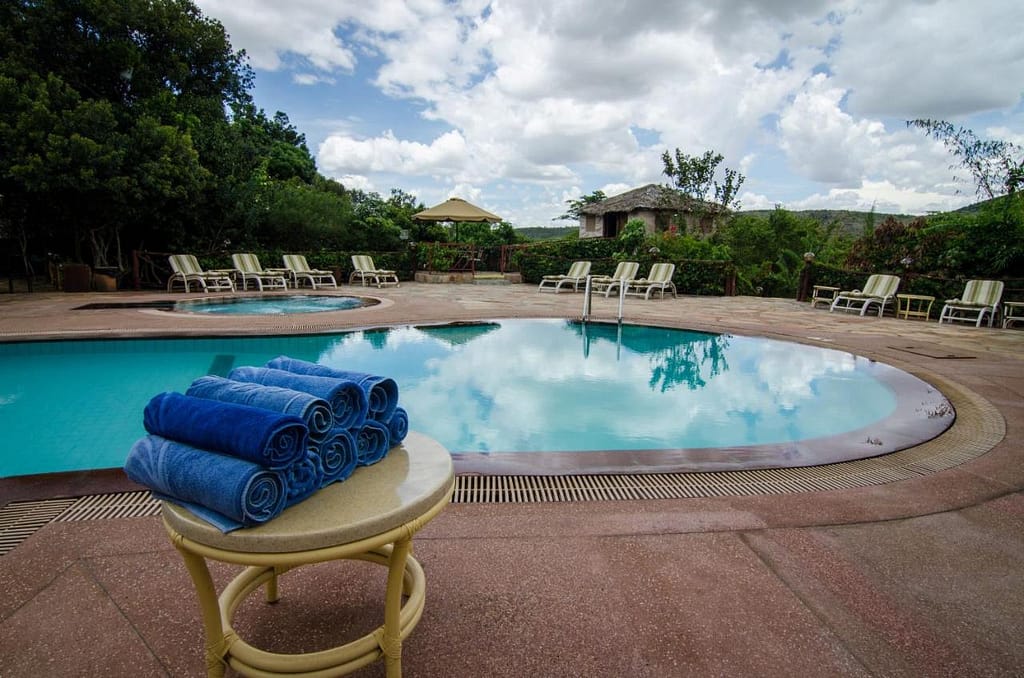
Day 6 will be a full day immersed in the Masai Mara, beginning with an early morning game drive that heads toward the Mara River, where the drama of the Great Wildebeest Migration can unfold at any moment and massive Nile crocodiles patrol the banks. A picnic lunch will be served in the reserve, keeping you in the heart of the action before an afternoon drive brings close encounters with gazelles, zebras, wildebeest and the full cast of Mara wildlife. Cultural insights into the traditional Maasai way of life may also enrich this extraordinary day before you return to camp at dusk.
On the final morning of your safari you will enjoy a leisurely breakfast at camp before departing the Masai Mara and making the scenic drive back to Nairobi, with the highlands and Rift Valley views providing a fitting farewell to Kenya's landscapes. You will arrive in Nairobi in the afternoon and be transferred comfortably to your hotel or directly to the airport, marking the close of a truly unforgettable seven-day Kenyan adventure. Your Africompass team will be on hand to assist with any onward arrangements and to ensure your journey home begins as smoothly as your safari did.
All rates are per person and vary by travel season. Choose your season below to view the applicable pricing.
| Per adult | USD 1,803 |
Tell us your dates and dream, and a local specialist will craft your trip.
It depends on what you want to see. For the Great Migration river crossings in the Maasai Mara, visit between July and October, when the herds cross the Mara River in search of fresh grazing. For calving season and dense predator activity, January to March is excellent, particularly around the southern Serengeti. Kenya's two dry seasons (June to October and January to February) generally offer the clearest skies and easiest game viewing across Amboseli, Tsavo, and Samburu, since animals gather around limited water sources. The 'green season' (November and April to May) brings lush scenery, migratory birdlife, and lower rates, though some rural roads can be muddy. Tell us your travel dates and priorities, and we will recommend the destinations that fit best.
Most nationalities need a Kenya eTA (Electronic Travel Authorisation), applied for online before you fly; Tanzania and Zanzibar require their own separate visa, available online or on arrival depending on your nationality. Entry requirements change from time to time, so confirm the current rules for your passport a few weeks before departure. A Yellow Fever vaccination certificate is mandatory if you are arriving from, or have transited through, a Yellow Fever risk country, and we recommend it in general along with being up to date on routine vaccinations (MMR, tetanus, hepatitis A and B). Most safari areas are malaria zones, so antimalarial medication is strongly advised. Always check final requirements with your doctor or a travel health clinic, and ask us for the latest entry rules when you book.
Every itinerary we build is private and tailor-made by default: your own vehicle, driver-guide, and schedule, with no strangers added to your trip. That means you can linger an extra morning at a favourite lodge, adjust the route on the go, or add a visit to the Emmanuel New Hope Rescue Centre we support. If you would rather share costs or travel as a solo guest, we can also arrange a scheduled group departure and match you with other travellers on similar dates. Either way, your safari is planned by our Nairobi-based specialists around your budget, dates, and interests, not a fixed package.
Safari costs vary widely depending on where you stay and how you travel. Budget camping safaris in parks like Amboseli or Lake Nakuru can start from around USD 150 to 250 per person per day, mid-range lodge safaris typically run USD 250 to 450 per day, and luxury tented camps in the Maasai Mara or Serengeti can exceed USD 750 per day. Your quote always includes a private vehicle, driver-guide, park fees, and accommodation as specified in your itinerary. Since every trip we build is tailor-made, tell us your budget and travel dates and we'll show you exactly what it buys, with no hidden extras.
Pack light, neutral-coloured clothing (khaki, olive, beige) for game drives, since bright colours and dark blue can attract tsetse flies in some regions. Bring layers for early morning drives, which can be cold even near the equator, plus a hat, sunglasses, and high-SPF sunscreen. A good pair of binoculars, a camera with a zoom lens, and a portable charger make a real difference to the experience. Comfortable closed shoes are more useful than sandals, and most lodges offer laundry service, so you rarely need more than a week's worth of clothing even on a longer trip. We send a full packing checklist tailored to your specific itinerary and season once you book.
Yes. Alongside our guided safaris, we offer both self-drive car hire and chauffeur-driven vehicles for clients who want more flexibility around Nairobi, the coast, or shorter road trips. Self-drive suits experienced drivers comfortable with Kenyan road conditions, while a chauffeur-driven car is the better choice for game-viewing routes, night driving, or if you'd simply rather relax and let a local expert handle the roads. All our vehicles are well-maintained 4x4s suited to both tarmac and rougher safari tracks. Let us know your route and dates and we'll recommend the right option.
Millions of visitors travel safely to Kenya and Tanzania every year, and the main tourist circuits, national parks, and coastal resorts are well-established and closely monitored. As with any international travel, sensible precautions apply: use a reputable operator (we're KATO-verified), avoid displaying valuables in cities, and follow your guide's advice in wildlife areas, where the real risk is animals, not crime. We stay in regular contact with our clients throughout their trip, and our drivers know the routes and current conditions well. If you have specific safety questions about your itinerary, we're happy to talk them through before you book.
Absolutely, it's one of our most popular combinations. A typical itinerary pairs 4 to 7 days on safari in the Maasai Mara, Amboseli, or Serengeti with 3 to 5 days unwinding on the beach in Zanzibar or Diani Beach, taking advantage of short connecting flights between the two. We handle all the logistics, including domestic flight bookings and airport transfers, so you go straight from game drives to the Indian Ocean without the stress of planning it yourself. Tell us how many days you have and we'll suggest a balance between wildlife and beach time that fits your trip.