Amboseli National Park: Everything You Need to Know From It's History, Wildlife & A Travel Guide
Planning a safari to Amboseli National Park? Whether you're dreaming of seeing majestic elephants against the backdrop of Mount Kilimanjaro or want to understand the fascinating story behind this iconic sanctuary, this comprehensive guide has everything you need to know before your visit.
In this article, we'll explore Amboseli's rich history from ancient Maasai lands to modern conservation efforts, discover the incredible wildlife and ecosystems you'll encounter, learn the best times to visit, and provide practical travel tips to make your safari unforgettable. Whether you're a first-time visitor or a seasoned safari-goer, this guide will prepare you for an experience you'll never forget.
📋 What This Guide Covers:
- Amboseli's Fascinating History - From ancient Maasai lands to national park status
- Wildlife & Ecosystems - The animals you'll see and habitats they inhabit
- Conservation Efforts - How Amboseli protects its incredible biodiversity
- Best Time to Visit - Seasonal guide for optimal wildlife viewing
- What to Expect - Practical information for your visit
- Cultural Experiences - Meeting the Maasai community
- Insider Tips - Expert advice for an unforgettable safari
At Africompass Travel, we use this knowledge to craft personalized safaris that go beyond typical tours—connecting you with Amboseli's stories, people, and wildlife in ways that create lasting memories.
The Ancient Land of 'Salty Dust'
Long before safari vehicles traversed its plains, the land we now call Amboseli was a vital resource for various peoples. The earliest inhabitants were hunter-gatherer groups, followed by the Kamba and Chagga peoples. However, the most well-known inhabitants, the Maasai, arrived in the 17th century, bringing their cattle and their rich culture to the region.
They named the area "Empusel," a Maasai word meaning "salty, sandy place." This name perfectly captures the essence of the park's environment—a dry, semi-arid basin that transforms into a life-giving oasis thanks to the underground springs fed by the melting snows of Kilimanjaro. For centuries, the Maasai and the wildlife coexisted in this unique ecosystem, creating a harmony that would eventually inspire the world to protect it.
💡 Why This Matters for Your Safari: Understanding Amboseli's deep cultural roots enriches your experience. When you book with Africompass Travel, our expert guides—many of whom are from local Maasai communities—share these stories firsthand, transforming your safari into a cultural journey, not just a wildlife viewing experience.


European Arrival and the Dawn of Conservation
The first European to venture into this Maasai heartland was the legendary explorer Joseph Thomson in 1883. He was captivated by the sheer abundance of wildlife and the dramatic contrast between the dry lake bed and the lush, green swamps. His accounts of this natural paradise, and his stunning descriptions of Mount Kilimanjaro, helped put the region on the world map as a destination of unparalleled natural beauty.
As the 20th century dawned, the threat of big-game hunting and the ivory trade grew increasingly severe. In response, the British colonial government established the Southern Maasai Game Reserve in 1906. This was the first step towards formal conservation in the area, a vast territory that aimed to protect the region's incredible biodiversity, especially its world-renowned elephant herds from the ravages of poaching.
🌍 Conservation Through Tourism: Today, sustainable tourism is crucial to Amboseli's protection. Africompass Travel partners directly with conservation organizations and local communities, ensuring that your safari fees support anti-poaching efforts, wildlife research, and community development. When you travel with us, you're not just observing conservation—you're actively participating in it.

The Birth of a National Park: A Timeline of Conservation
The journey from a game reserve to a national park was a complex one, marked by the need to balance the needs of the local Maasai community with the goals of wildlife conservation. Here's how this transformation unfolded:
This timeline shows how Amboseli evolved from a hunting ground to a world-class sanctuary. Understanding these milestones helps you appreciate the incredible effort that went into creating the park you'll visit today.
The Ecosystem: Seven Habitats, One Wonder
When the original reserve was established, it encompassed seven distinct habitats, each supporting different wildlife species and vegetation types. These habitats created a mosaic of ecosystems that made Amboseli one of the most biodiverse areas in East Africa:
- Open Plains: The vast grasslands where elephants, zebras, and wildebeest roam freely.
- Lava-Strewn Thorn Bush Country: Rocky areas with acacia trees providing shade and food for wildlife.
- Acacia Woodland: Dense forests of acacia trees, crucial for browsing animals.
- Swamp: Wet areas fed by underground springs, providing water and vegetation year-round.
- Marshland: Seasonal wetlands that support diverse bird species.
- Amboseli Lake Bed: The dry alkaline lake basin, a unique geological feature.
- Slopes of Oldoinyo Orok: The volcanic mountain offering diverse vegetation zones.
Today, the national park encompasses three of these original habitats, but they remain crucial for the survival of Amboseli's incredible wildlife.
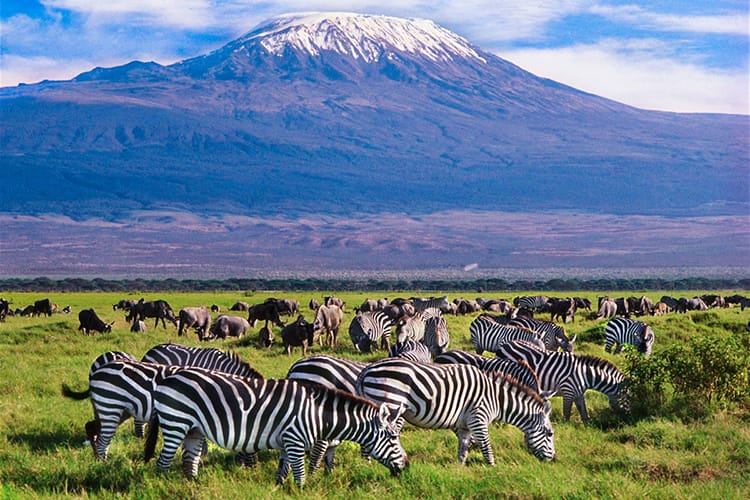
Amboseli Elephants with Mount Kilimanjaro Backdrop
Amboseli Today: A Legacy of Conservation and Coexistence
Today, Amboseli National Park is a thriving ecosystem and a beacon of hope for elephant conservation. It is home to over 1,800 elephants, including some of Africa's largest tuskers. The Amboseli Trust for Elephants, founded by the pioneering researcher Cynthia Moss, has been studying these elephant families for over 50 years, providing invaluable insights into their complex social structures, intelligence, and emotional bonds.
This long-term research has revolutionized our understanding of elephants and has been instrumental in shaping global conservation policies. Every elephant in Amboseli is known and tracked, a testament to the park's commitment to individual animal welfare and population management.
🐘 Your Elephant Encounter: When you safari with Africompass Travel, our guides are trained to recognize individual elephants and share their stories—their family dynamics, their personalities, their survival journeys. This transforms a simple wildlife sighting into a profound connection with these magnificent creatures. You're not just seeing elephants; you're meeting them.
The Maasai: From Conflict to Partnership
The relationship with the local Maasai community has evolved significantly over the decades. While the establishment of the national park displaced the Maasai from their ancestral lands, this challenging period has given way to a more collaborative approach. Today, many Maasai are directly involved in tourism and conservation efforts. They work as expert guides, lodge staff, and community rangers, sharing their deep knowledge of the land and its creatures with visitors from around the world.
This partnership is crucial to Amboseli's success. The Maasai's traditional knowledge of the ecosystem, combined with modern conservation science, creates a powerful force for protection and sustainable development. A visit to Amboseli is not just a chance to see wildlife; it's an opportunity to witness this inspiring story of coexistence firsthand.
🤝 Authentic Cultural Immersion: Africompass Travel works exclusively with Maasai guides and community partners who have deep roots in the region. Our guides don't just show you wildlife—they share their heritage, their stories, and their vision for sustainable tourism. You'll experience authentic interactions with Maasai warriors, visit community projects, and understand how tourism directly benefits local families. This is tourism with purpose.
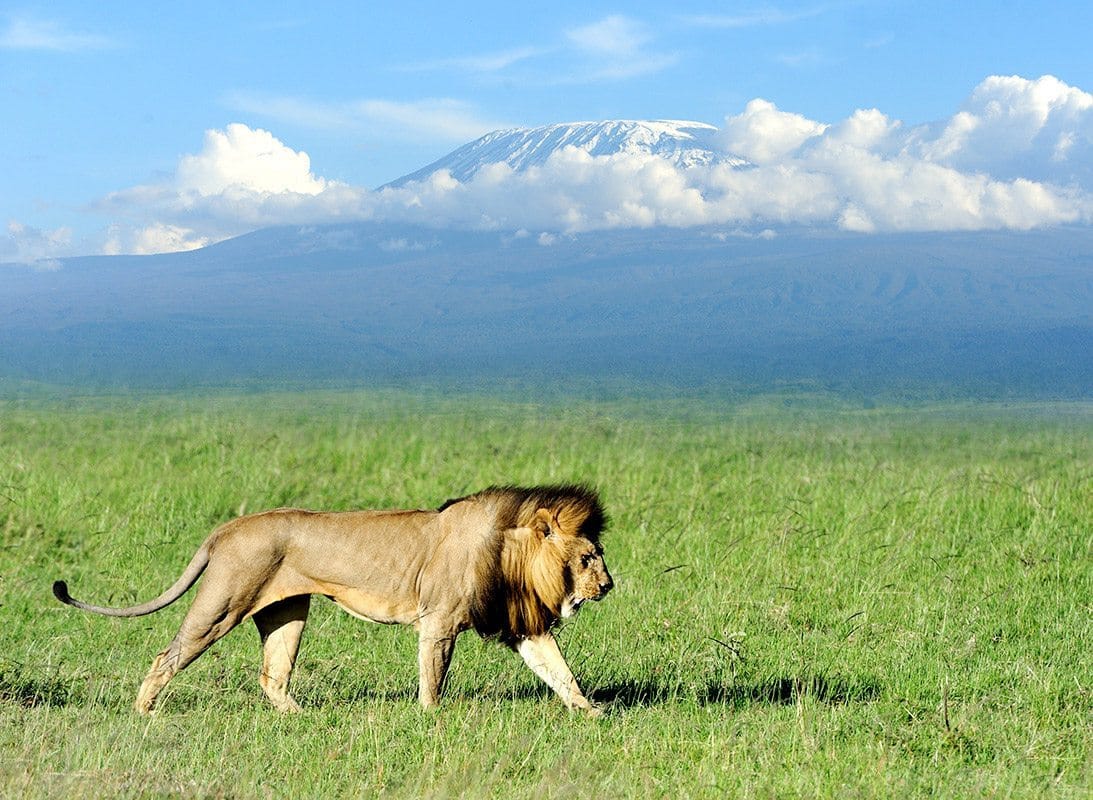
The Lion King Moment in Amboseli
Why This History Matters to Your Safari
Understanding the history of Amboseli enriches every moment of your safari experience. When you see a great tusker stride across the plains, you're witnessing the result of decades of conservation effort. When you watch a lioness hunt, you're seeing a species that was nearly hunted to extinction in the region, now thriving thanks to protection. When you meet a Maasai guide, you're connecting with a culture that has been part of this land for centuries.
📚 Knowledge That Transforms Your Safari: This is why Africompass Travel invests in guide training and conservation partnerships. Our team doesn't just drive you around the park—we educate, inspire, and connect you to Amboseli's story. Every game drive becomes a learning experience, every wildlife encounter gains context, and every moment becomes meaningful.
The Name "Amboseli"
The word "Amboseli" derives from the Maasai language and means "salty dust," a reference to the park's unique alkaline lake bed and semi-arid environment. Despite its harsh appearance, this "salty, dusty place" has become one of the most important elephant sanctuaries in the world.
Experience the History and Majesty of Amboseli
From its ancient origins as a "salty, sandy place" to its modern status as a world-class national park, the history of Amboseli is as captivating as its landscapes. Understanding this journey enriches the experience of seeing a great tusker stride beneath Kilimanjaro or watching a lioness hunt on the plains.
When you book a safari with Africompass Travel, you are not only signing up for an incredible wildlife experience but also supporting the communities and conservation efforts that make Amboseli so special. Here's what sets us apart:
- Expert Local Guides: Our guides are trained professionals with deep knowledge of Amboseli's history, wildlife, and culture.
- Conservation Partnerships: We work directly with the Amboseli Trust for Elephants and local conservation organizations.
- Community Benefits: A portion of every safari fee goes directly to Maasai communities and conservation projects.
- Personalized Itineraries: We customize each safari to match your interests—whether it's elephant research, bird watching, cultural immersion, or photography.
- Responsible Tourism: We follow strict guidelines to minimize impact on wildlife and ecosystems.
- Authentic Experiences: From sunrise game drives to evening campfires with Maasai warriors, we create memories that last a lifetime.
We are committed to responsible tourism that benefits both wildlife and people.
Ready to Experience Amboseli the Right Way?
Now that you understand Amboseli's incredible history and what makes it special, it's time to experience it firsthand. Let the experts at Africompass Travel craft your perfect safari. We'll ensure you experience not just the incredible wildlife, but also the deep cultural and historical roots of this magical place.
Our expert guides will share stories that bring the history to life, connect you with individual elephants and their families, introduce you to Maasai communities, and ensure your safari supports conservation efforts. We don't just show you Amboseli—we help you understand it, appreciate it, and become part of its conservation story.
When you book with Africompass Travel, you're choosing:
- ✓ Expert guides who know Amboseli's history and wildlife intimately
- ✓ Authentic cultural experiences with local Maasai communities
- ✓ Direct support for conservation and community development
- ✓ Personalized safaris tailored to your interests
- ✓ Responsible tourism practices that protect the ecosystem
Best Safari Trips to Amboseli
Ready to experience Amboseli's magic? Africompass Travel offers expertly curated safari packages that combine the best of Amboseli with other iconic Kenyan destinations. Whether you are seeking a romantic honeymoon, a family adventure, or an immersive wildlife experience, we have the perfect itinerary for you.
Ultimate African Honeymoon Safari
Experience the ultimate romantic escape across Kenya's most stunning landscapes. This exclusive honeymoon package combines intimate wildlife encounters with luxury accommodations and unforgettable moments.
Kenya Signature Honeymoon
Discover Kenya's most iconic destinations on this signature honeymoon journey. Perfect for couples seeking the quintessential African safari experience with world-class accommodations.
Kenya Honeymoon: Diverse Destinations
Explore Kenya's incredible diversity on this extended honeymoon adventure. Visit multiple ecosystems and experience the full spectrum of African wildlife and landscapes.
Amboseli with Tsavo East & West
Combine the iconic elephants of Amboseli with the vast wilderness of Tsavo. This action-packed safari showcases Kenya's most diverse wildlife and stunning landscapes in just 5 days.
Amboseli, Naivasha, Nakuru & Masai Mara
Experience the complete Kenyan safari circuit on this comprehensive 7-day tour. Visit Amboseli's iconic elephants, Lake Naivasha's flamingos, and the legendary Masai Mara migration.
Cannot Find Your Perfect Safari?
Every traveler is unique, and so should your safari. Africompass Travel specializes in custom itineraries tailored to your interests, budget, and travel style. Contact us to design your perfect Amboseli adventure.
Frequently Asked Questions About Amboseli's History
What does "Amboseli" mean?
Amboseli is a Maasai word meaning "salty dust," referring to the park's unique alkaline lake bed and semi-arid landscape.
When was Amboseli declared a national park?
Amboseli was officially gazetted as a national park in 1974 by President Jomo Kenyatta, though it had been protected as a game reserve since 1906.
How many elephants live in Amboseli?
Amboseli is home to over 1,800 elephants, making it one of the most important elephant sanctuaries in Africa. Each elephant is individually known and tracked by researchers.
What is the Amboseli Trust for Elephants?
Founded by renowned researcher Cynthia Moss, the Amboseli Trust for Elephants has been conducting long-term research on elephant behavior and social structures for over 50 years, revolutionizing our understanding of these magnificent animals.
How do the Maasai benefit from Amboseli today?
The Maasai community benefits from tourism revenue, employment as guides and lodge staff, and access to water resources. Many Maasai are now actively involved in conservation efforts and community-based tourism initiatives.
Can I visit Amboseli year-round?
Yes, Amboseli is a year-round destination. The best time to visit is June to October for optimal wildlife viewing, though the park is beautiful and accessible throughout the year.